
Introduction
Home Project Planning is the foundation of every successful home improvement task, whether you are painting a room, remodeling a kitchen, building a backyard deck, or simply organizing a storage area. Many homeowners jump into projects with excitement but quickly face unexpected costs, delays, and mistakes because they skipped the planning stage. A well-planned project saves time, reduces stress, and helps you achieve better results without wasting money.
Whether you are a beginner or someone with a little DIY experience, understanding Home Project Planning can make every project smoother and more enjoyable. Good planning helps you set realistic goals, estimate expenses, gather the right materials, and create a practical timeline before any work begins.
Instead of reacting to problems after they appear, proper planning allows you to prevent them from happening in the first place. It also helps you prioritize tasks, stay organized, and complete projects with greater confidence.
In this guide, you will learn everything you need to know about Home Project Planning, including why it matters, how to plan each step effectively, common mistakes to avoid, practical tips from experienced homeowners, and answers to frequently asked questions. By following these strategies, you can complete your next home project efficiently while staying within your budget and schedule.
What is Home Project Planning?
Home Project Planning is the process of organizing every aspect of a home improvement project before the actual work starts. It involves defining your goals, creating a budget, estimating the timeline, selecting materials, gathering tools, and preparing for possible challenges.
Planning applies to projects of every size. Whether you are replacing a faucet or renovating an entire house, taking time to prepare increases the chances of success.
A complete plan typically includes:
- Project objectives
- Estimated budget
- Required materials
- Necessary tools
- Work schedule
- Safety precautions
- Backup plans for unexpected issues
Why is Home Project Planning Important?
Planning provides a clear roadmap from start to finish. Instead of making decisions during construction, you already know what needs to be done.
Some major reasons why Home Project Planning is important include:
- Prevents unnecessary expenses
- Reduces project delays
- Improves work quality
- Helps manage time efficiently
- Minimizes material waste
- Increases overall safety
- Keeps everyone involved on the same page
Without planning, even simple home projects can become expensive and frustrating.
Step-by-Step Guide to Home Project Planning
Step 1: Define Your Goal
Start by identifying exactly what you want to accomplish.
Ask yourself:
- What needs improvement?
- What is the final result I expect?
- Is this project necessary or optional?
Clear objectives help prevent unnecessary changes later.
Step 2: Set a Realistic Budget
Budgeting is one of the most important parts of Home Project Planning.
Include costs for:
- Building materials
- Tools
- Paint or finishes
- Safety equipment
- Delivery charges
- Professional labor if needed
- Emergency expenses
Many experts recommend keeping an additional 10–20% as a contingency fund.
Step 3: Measure Everything Carefully
Incorrect measurements often lead to wasted materials and costly replacements.
Measure:
- Room dimensions
- Wall height
- Floor space
- Doorways
- Windows
- Existing furniture
Always double-check every measurement before purchasing supplies.
Step 4: Research Materials
Not all materials offer the same durability or value.
Compare products based on:
- Quality
- Price
- Maintenance requirements
- Warranty
- Appearance
- Environmental impact
Buying cheap materials may increase repair costs later.
Step 5: Create a Timeline
Break the project into manageable stages.
Example timeline:
- Planning
- Purchasing materials
- Preparing the workspace
- Completing construction
- Cleaning
- Final inspection
A schedule helps you stay focused and avoid unnecessary delays.
Step 6: Gather Tools Before Starting
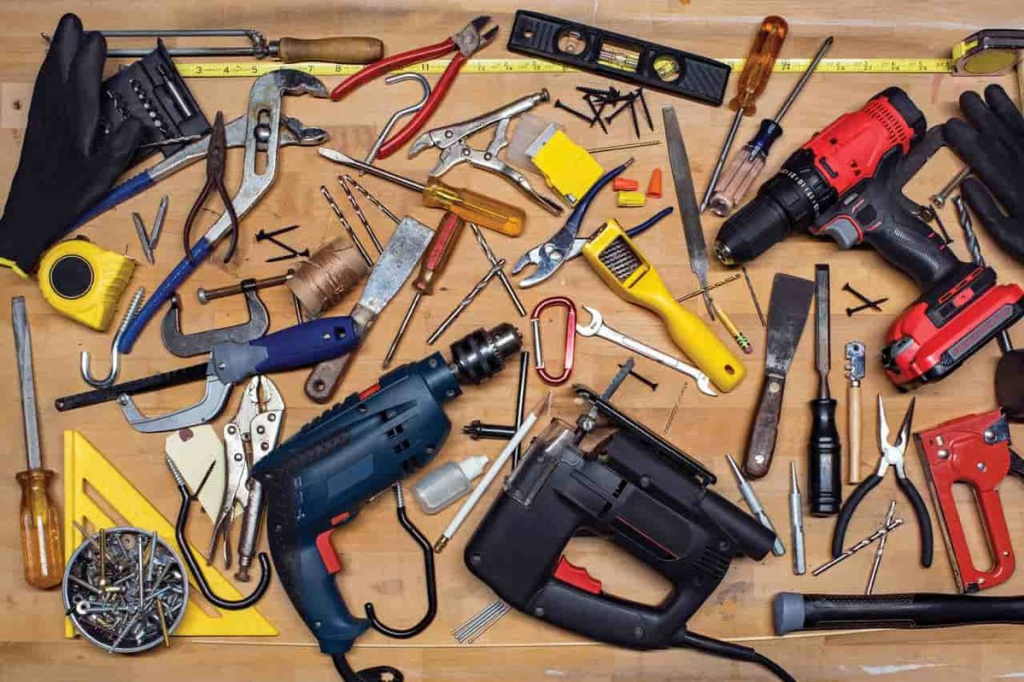
Having every tool ready saves valuable time.
Common tools include:
- Tape measure
- Hammer
- Drill
- Screwdrivers
- Utility knife
- Safety gloves
- Safety glasses
- Level
- Ladder
Check that every tool is working properly before beginning.
Step 7: Prepare the Workspace
Protect your home before construction begins.
You can:
- Cover furniture
- Remove decorations
- Protect flooring
- Improve ventilation
- Organize materials
- Ensure adequate lighting
A clean workspace improves both safety and productivity.
Step 8: Follow the Plan
Avoid making major changes halfway through unless absolutely necessary.
Stick to your:
- Budget
- Timeline
- Material list
- Safety procedures
Consistency leads to better project results.
Step 9: Inspect the Finished Work
Before considering the project complete, inspect every detail.
Look for:
- Loose fittings
- Uneven surfaces
- Paint imperfections
- Missing hardware
- Safety concerns
Correcting small issues immediately prevents future repairs.
Benefits of Home Project Planning
- Saves money by reducing unnecessary purchases.
- Improves project organization.
- Reduces stress throughout the renovation.
- Helps complete work on schedule.
- Prevents costly mistakes.
- Improves communication among family members or contractors.
- Increases property value through better-quality improvements.
- Creates more professional-looking results.
- Reduces material waste.
- Makes future maintenance easier.
Disadvantages and Risks
Although planning is extremely beneficial, there are still a few challenges.
- Initial planning requires additional time.
- Budget estimates may still change due to market prices.
- Unexpected structural problems may appear.
- Weather can delay outdoor projects.
- Material shortages may affect timelines.
- Design changes during construction can increase costs.
Most of these risks can be minimized with proper preparation.
Common Mistakes to Avoid
Many homeowners repeat the same planning mistakes.
Avoid these common errors:
- Starting without a written plan.
- Underestimating the total budget.
- Ignoring safety equipment.
- Buying materials before taking measurements.
- Choosing low-quality products simply because they are cheaper.
- Forgetting to include emergency expenses.
- Rushing the project.
- Skipping final inspections.
- Failing to compare product options.
- Ignoring local building requirements when necessary.
Learning from these mistakes can save both time and money.
Frequently Asked Questions
1. What is Home Project Planning?
Home Project Planning is the process of organizing every step of a home improvement project before work begins. It includes budgeting, scheduling, selecting materials, gathering tools, and preparing for possible challenges.
2. Why is planning important before starting a home project?
Planning reduces mistakes, controls spending, improves efficiency, and helps complete projects on time while producing better overall results.
3. How much should I budget for unexpected expenses?
A contingency fund of approximately 10% to 20% of your total budget is generally recommended to cover unexpected costs.
4. Can beginners handle Home Project Planning?
Yes. Beginners can successfully plan home projects by researching thoroughly, creating detailed checklists, and starting with smaller improvements before tackling larger renovations.
5. What tools are essential for most home projects?
Basic tools include a hammer, drill, measuring tape, level, screwdriver set, ladder, safety glasses, gloves, and a utility knife.
6. How can I avoid project delays?
Create a realistic schedule, purchase materials in advance, inspect tools beforehand, monitor progress regularly, and prepare backup plans for unexpected situations.
Expert Tips & Bonus Points
Professional homeowners and contractors often follow these simple practices:
- Always write your complete project plan before spending money.
- Take photos before starting so you can track progress.
- Label hardware and small parts during disassembly.
- Buy slightly more materials than your calculations require.
- Keep receipts for possible returns.
- Focus on one task at a time instead of multitasking.
- Clean the workspace at the end of each workday.
- Review your budget every few days.
- Learn basic repair skills before attempting complex renovations.
- Celebrate small milestones to stay motivated.
Conclusion
Home Project Planning is much more than creating a simple checklist. It is the foundation that determines whether your project becomes a rewarding success or an expensive lesson. Careful planning allows you to understand the full scope of your project, organize resources efficiently, estimate realistic costs, and complete work with greater confidence. Instead of dealing with unexpected surprises, you can approach every stage with a clear strategy and measurable goals.
No matter how large or small the project may be, investing time in proper planning pays significant dividends. From choosing quality materials to preparing a detailed schedule and following safe work practices, every decision contributes to a smoother experience. Even experienced homeowners continue refining their planning process because they understand that preparation often matters more than the construction itself.
As you begin your next renovation, repair, or DIY improvement, remember that successful results rarely happen by accident. They are built on thoughtful preparation, careful budgeting, organized execution, and continuous attention to detail. By applying the Home Project Planning techniques discussed in this guide, you can reduce stress, save money, improve efficiency, and confidently transform your ideas into successful home improvement projects that provide lasting value for years to come.