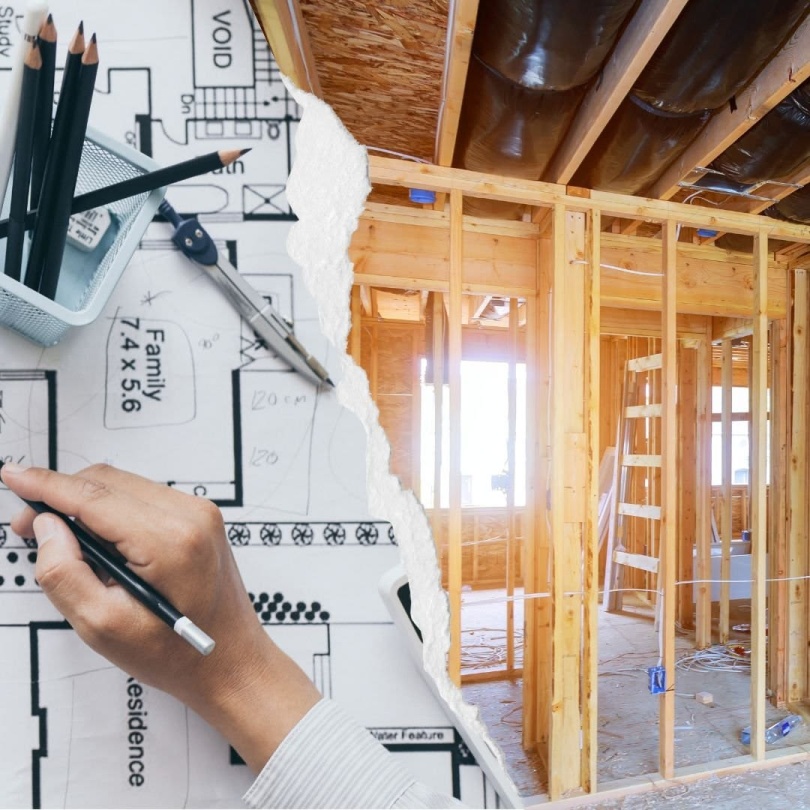

Renovating a home is an exciting opportunity to improve comfort, functionality, and property value. However, success does not depend only on quality materials or skilled contractors. It begins with proper Renovation Planning, which helps organize every stage of the project before work starts. A detailed plan minimizes unexpected costs, reduces delays, and ensures that every improvement matches your goals.
Whether you are remodeling a single room or renovating an entire house, having a structured plan makes decision-making much easier. From creating a realistic budget to selecting materials and scheduling work, every step contributes to a smoother renovation experience.
Many homeowners rush into projects without enough preparation, leading to budget overruns, unfinished work, or disappointing results. Fortunately, these problems can often be avoided with careful planning and clear objectives.
This guide explains everything you need to know about Renovation Planning, including why it matters, how to create an effective plan, common mistakes to avoid, and expert advice for achieving outstanding results.
What is Renovation Planning?
Renovation Planning is the process of preparing every aspect of a renovation project before construction begins. It involves identifying goals, estimating costs, choosing materials, hiring professionals, creating timelines, and preparing for unexpected challenges.
Instead of making decisions during construction, planning allows homeowners to solve problems in advance. A well-organized renovation plan keeps everyone involved on the same page and reduces unnecessary stress.
Good planning is suitable for projects of every size, whether you are repainting a bedroom, remodeling a kitchen, or completely transforming your property.
Why is Renovation Planning Important?
Planning serves as the foundation of every successful renovation project. Without it, even simple upgrades can become expensive and time-consuming.
Some major reasons why Renovation Planning is important include:
- Better budget control
- Clear project goals
- Improved time management
- Reduced construction mistakes
- Easier communication with contractors
- Higher quality results
- Greater return on investment
- Less stress throughout the renovation process
A carefully prepared plan also allows homeowners to compare options before making expensive decisions.
Step-by-Step Guide to Renovation Planning
Step 1: Define Your Goals
Begin by identifying exactly what you want to achieve.
Ask yourself questions such as:
- Which rooms need improvement?
- What problems should the renovation solve?
- Is the renovation for comfort, resale value, or energy efficiency?
Having clear goals keeps the project focused.
Step 2: Create a Realistic Budget

A detailed budget is one of the most important parts of Renovation Planning.
Include expenses such as:
- Building materials
- Labor costs
- Design services
- Permits
- Furniture
- Fixtures
- Emergency reserve for unexpected expenses
Many experts recommend setting aside 10–20% of the budget for surprises.
Step 3: Prioritize Renovation Tasks
Not every improvement has equal importance.
Start with structural repairs before cosmetic upgrades. Roofing, plumbing, electrical systems, and foundations should always receive attention before painting or decorating.
Step 4: Gather Design Ideas
Look for inspiration through magazines, home improvement websites, and completed renovation projects.
Choose colors, flooring, cabinets, lighting, and layouts that match your lifestyle rather than short-term trends.
Step 5: Measure Every Space
Accurate measurements prevent costly mistakes.
Measure walls, windows, doors, ceilings, and furniture placement before purchasing materials.
Step 6: Hire Qualified Professionals
Choosing experienced contractors can significantly improve project quality.
Before hiring:
- Check licenses
- Read reviews
- Request references
- Compare multiple quotes
- Review previous work
Never select a contractor based only on the lowest price.
Step 7: Create a Timeline
Divide the renovation into manageable phases.
For example:
- Demolition
- Structural repairs
- Plumbing
- Electrical work
- Flooring
- Painting
- Final installation
- Cleaning and inspection
A timeline helps everyone understand project expectations.
Step 8: Purchase Materials Early
Ordering materials before construction begins helps prevent delays caused by shipping or product shortages.
Double-check quantities before placing orders.
Step 9: Prepare for Unexpected Problems
Older homes often reveal hidden issues such as damaged wiring, leaking pipes, mold, or structural weaknesses.
A flexible renovation plan allows you to respond without disrupting the entire project.
Step 10: Monitor Progress
Even after construction begins, continue reviewing the work regularly.
Frequent inspections allow small issues to be corrected before they become expensive repairs.
Benefits of Renovation Planning
Proper Renovation Planning provides numerous advantages.
- Better financial control
- Improved project organization
- Higher construction quality
- Reduced stress
- Faster project completion
- Better communication with contractors
- Fewer unexpected expenses
- Increased home value
- More efficient use of materials
- Greater satisfaction with the final result
Disadvantages and Risks
Although planning offers many benefits, there are still some challenges.
- Initial planning requires time.
- Material prices may change.
- Project schedules can shift due to weather.
- Permit approvals may cause delays.
- Unexpected structural problems may increase costs.
- Design changes during construction can affect the budget.
Understanding these risks helps homeowners prepare more effectively.
Common Mistakes to Avoid
Many renovation projects encounter problems because of avoidable mistakes.
Avoid these common errors:
- Starting without a clear budget
- Hiring contractors without research
- Ignoring permits
- Buying low-quality materials
- Changing designs halfway through the project
- Forgetting emergency funds
- Rushing important decisions
- Underestimating project timelines
- Skipping inspections
- Focusing only on appearance instead of functionality
Learning from these mistakes can save both time and money.
Frequently Asked Questions
1. What is the first step in Renovation Planning?
The first step is defining your renovation goals. Knowing exactly what you want helps guide every decision throughout the project.
2. How much should I budget for unexpected expenses?
Most professionals recommend keeping an additional 10–20% of your total renovation budget for unforeseen costs.
3. Should I renovate one room at a time?
Yes. Renovating in phases often makes budgeting easier and allows you to continue living comfortably during construction.
4. How do I choose the right contractor?
Compare multiple contractors, verify licenses, check customer reviews, request references, and carefully review previous projects before making a decision.
5. Can I complete renovations without professional help?
Simple projects like painting or installing shelves can often be completed independently, but electrical, plumbing, and structural work should generally be handled by qualified professionals.
6. How long does renovation planning usually take?
Planning may take several weeks depending on project size. Spending more time preparing usually leads to fewer problems during construction.
Expert Tips and Bonus Points
Successful homeowners often follow several best practices during Renovation Planning.
Always keep written records of quotes, contracts, receipts, and warranties.
Purchase slightly more flooring, paint, and tiles than required in case replacements become necessary later.
Choose durable materials instead of the cheapest available options.
Invest in energy-efficient lighting, insulation, and appliances to reduce future utility costs.
Communicate regularly with contractors and document any project changes immediately.
Finally, remain patient. Quality renovations require careful planning, skilled workmanship, and realistic expectations. A well-planned renovation not only creates a more beautiful home but also increases comfort, functionality, and long-term property value
Successful Renovation Planning is the key to completing any home improvement project on time, within budget, and with results you can be proud of. By setting clear goals, creating a realistic budget, choosing reliable contractors, and preparing for unexpected challenges, you can avoid many of the common problems that homeowners face during renovations. Careful planning also helps you make informed decisions about materials, layouts, and timelines, ensuring that every part of the project supports your long-term needs.
Whether you are updating a single room or renovating your entire home, investing time in proper Renovation Planning will save money, reduce stress, and improve the overall quality of the finished work. Remember that patience, organization, and attention to detail are just as important as the construction itself. With a solid plan in place, you can transform your living space into a more comfortable, functional, and valuable home while enjoying a smoother and more rewarding renovation experience..