

Your home is more than just a place to live. It is where you relax, spend time with your family, and create lasting memories. Keeping your home in excellent condition not only improves comfort but also increases its value over time. Fortunately, you do not need to spend thousands of dollars to make noticeable improvements. With the right Home Improvement Tips, even small projects can transform your living space.
Many homeowners believe that home improvement requires advanced skills or expensive tools. In reality, many upgrades are simple enough for beginners. Whether you want to refresh your walls, organize your rooms, improve lighting, or enhance your outdoor space, careful planning and basic knowledge can help you achieve impressive results.
Learning practical home improvement techniques also saves money because you can complete many projects without hiring professionals. As your confidence grows, you can tackle larger projects while maintaining safety and quality.
This guide covers everything you need to know about Home Improvement Tips, including planning, budgeting, essential tools, common mistakes, benefits, and expert recommendations.
What Are Home Improvement Tips?
Home Improvement Tips are practical suggestions and techniques that help homeowners repair, upgrade, maintain, and beautify their homes. These improvements may involve cosmetic changes, functional upgrades, or energy-efficient modifications.
Home improvement projects vary in size. Some take only a few hours, while others require several days of planning and work.
Examples include:
- Painting walls
- Installing shelves
- Replacing old light fixtures
- Improving kitchen storage
- Upgrading bathroom accessories
- Landscaping the garden
- Repairing damaged flooring
- Organizing storage areas
Every successful project begins with proper preparation and realistic expectations.
Why Home Improvement Matters
Improving your home offers benefits beyond appearance. It creates a safer, more comfortable, and more enjoyable environment for everyone living there.
Regular improvements also help prevent expensive repairs in the future. Small issues such as leaks, cracked paint, or loose fixtures become more costly when ignored.
Home improvement also increases property value. Buyers often prefer homes that are well-maintained and updated with modern features.
Additional reasons include:
- Better energy efficiency
- Improved comfort
- Higher resale value
- Increased safety
- Better organization
- Reduced maintenance costs
- Enhanced curb appeal
Plan Before You Start
Every successful project begins with a clear plan.
Ask yourself these questions:
- What problem needs solving?
- What is my available budget?
- Which materials will I need?
- How much time can I dedicate?
- Can I complete the project safely?
Creating a checklist helps prevent unnecessary purchases and costly mistakes.
Set a Realistic Budget
One of the most important Home Improvement Tips is to create a realistic budget before buying materials.
Separate your budget into categories:
- Materials
- Tools
- Paint
- Hardware
- Emergency expenses
Keeping a small emergency fund helps cover unexpected costs during renovation.
Essential Tools Every Homeowner Should Own
Basic tools make home improvement projects much easier.
Consider owning:
- Hammer
- Screwdriver set
- Measuring tape
- Adjustable wrench
- Utility knife
- Electric drill
- Level
- Pliers
- Safety goggles
- Work gloves
Quality tools last longer and improve project accuracy.
Step 1: Improve Your Walls
Walls greatly influence the appearance of any room.
Simple improvements include:
- Fresh paint
- Decorative wall art
- Floating shelves
- Accent walls
- Wallpaper
Neutral paint colors make rooms appear larger and brighter.
Step 2: Upgrade Lighting
Lighting completely changes the atmosphere of a room.
Consider installing:
- LED bulbs
- Modern ceiling lights
- Under-cabinet lighting
- Table lamps
- Smart lighting systems
Natural light should also be maximized by keeping windows clean and using light-colored curtains.
Step 3: Organize Your Home
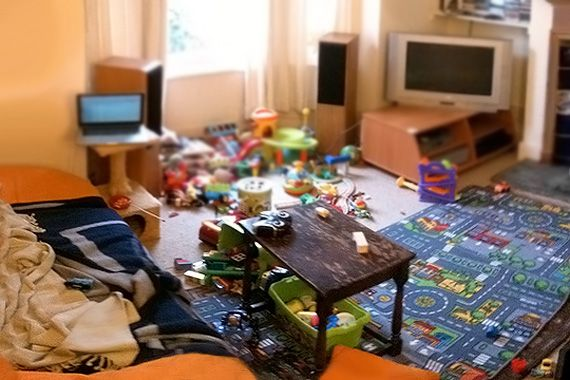
Clutter makes even beautiful homes feel smaller.
Improve organization by:
- Using storage baskets
- Installing shelves
- Adding closet organizers
- Labeling containers
- Removing unused items
Organized homes are easier to clean and maintain.
Step 4: Upgrade the Kitchen
The kitchen is one of the most valuable areas of any home.
Affordable upgrades include:
- Replacing cabinet handles
- Installing a new faucet
- Painting cabinets
- Adding open shelves
- Improving lighting
Even small kitchen improvements can significantly increase home value.
Step 5: Refresh the Bathroom
Bathrooms do not always require expensive remodeling.
Simple upgrades include:
- Replacing mirrors
- Installing towel racks
- Updating faucets
- Adding better lighting
- Re-caulking around sinks and tubs
These small changes create a cleaner and more modern appearance.
Step 6: Improve Flooring
Flooring affects both comfort and appearance.
Options include:
- Vinyl flooring
- Laminate flooring
- Hardwood refinishing
- Area rugs
- Carpet replacement
Choose flooring based on durability and maintenance needs.
Step 7: Enhance Outdoor Spaces
First impressions matter.
Outdoor improvements include:
- Planting flowers
- Trimming bushes
- Painting fences
- Pressure washing walkways
- Adding outdoor seating
Simple landscaping dramatically improves curb appeal.
Improve Energy Efficiency
Energy-efficient homes reduce utility bills while protecting the environment.
Consider:
- LED lighting
- Better insulation
- Weather stripping
- Energy-efficient appliances
- Smart thermostats
These improvements often pay for themselves over time.
Safety Should Always Come First
Never ignore safety during home improvement.
Always:
- Wear protective equipment.
- Read tool instructions.
- Turn off electricity before electrical work.
- Use ladders correctly.
- Keep children away from work areas.
A safe project is always a successful project.
Benefits of Home Improvement Tips
Following effective Home Improvement Tips offers many advantages.
- Improves home appearance
- Increases property value
- Enhances comfort
- Saves money on repairs
- Improves energy efficiency
- Makes daily living easier
- Boosts organization
- Extends the life of household features
- Creates healthier living spaces
- Builds valuable DIY skills
Risks and Challenges
Although rewarding, home improvement also involves some risks.
- Overspending
- Poor planning
- Incorrect measurements
- Using low-quality materials
- Safety hazards
- Project delays
- Hidden structural problems
Planning carefully reduces these risks significantly.
Common Mistakes to Avoid
Many beginners make similar mistakes.
Avoid these common errors:
- Skipping measurements
- Buying cheap tools
- Ignoring safety rules
- Starting without a budget
- Rushing projects
- Forgetting permits when required
- Using the wrong paint or materials
- Overestimating your skills
Learning from these mistakes saves both time and money.
Frequently Asked Questions
Is home improvement expensive?
Not always. Many affordable projects produce excellent results with careful planning and budgeting.
Which project should beginners start with?
Painting walls, installing shelves, replacing cabinet hardware, and organizing storage are excellent beginner-friendly projects.
How can I improve my home on a small budget?
Focus on cleaning, painting, lighting upgrades, storage improvements, and simple landscaping.
Should I hire professionals?
For electrical, plumbing, or structural work, hiring qualified professionals is often the safest option.
How often should I improve my home?
Small maintenance tasks should be completed regularly, while major improvements can be planned every few years.
Do home improvements increase property value?
Yes. Kitchens, bathrooms, flooring, landscaping, and energy-efficient upgrades often provide the best return on investment.
Expert Tips
- Plan every project before starting.
- Measure twice before cutting materials.
- Invest in quality tools.
- Choose durable materials instead of the cheapest options.
- Keep your workspace organized.
- Learn one new DIY skill at a time.
- Maintain completed projects regularly.
- Focus on improvements that provide long-term value.
- Always prioritize safety over speed.
- Record your expenses to stay within budget.
Conclusion
Every homeowner can benefit from learning practical Home Improvement Tips. Improving your home does not require expert-level experience or an enormous budget. Small, consistent upgrades often make the biggest difference over time. Whether you are painting a room, organizing storage, replacing outdated fixtures, or enhancing your outdoor space, each project contributes to a safer, more comfortable, and more attractive home.
Planning carefully, using the right tools, and following safe working practices will help you complete projects with confidence. Start with simple improvements, build your skills gradually, and avoid rushing into complex renovations before gaining experience. Home improvement is an ongoing process rather than a one-time task.
As you continue applying these Home Improvement Tips, you will not only improve the appearance of your property but also increase its functionality, efficiency, and long-term value. Every successful project, no matter how small, is an investment in creating a better place to live for yourself and your family.