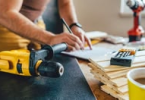

A well-maintained home is safer, more comfortable, and often more valuable. While some repairs require professional assistance, many everyday problems can be solved with basic knowledge and the right tools. Learning Home Fixes helps homeowners and renters save money, reduce stress, and handle small maintenance issues with confidence.
From repairing a leaking faucet to patching small holes in drywall, simple home repairs are easier than many people think. The key is understanding the basics, following safety precautions, and using quality tools. Even beginners can master common repair tasks with practice and patience.
Knowing how to complete Home Fixes also prevents minor problems from becoming expensive repairs. A dripping faucet, loose cabinet hinge, or damaged caulk may seem small today, but ignoring these issues can lead to water damage, structural problems, or costly replacements later.
This guide explains the most important repair skills, essential tools, step-by-step techniques, common mistakes, and practical tips. Whether you recently purchased your first home or simply want to become more self-reliant, these repair skills will help you maintain your property with confidence.
What Are Home Fixes?
Home Fixes are simple repair and maintenance tasks performed to keep a house safe, functional, and attractive. These repairs usually do not require advanced technical knowledge or expensive equipment.
Examples include:
- Fixing leaking faucets
- Tightening loose door handles
- Replacing cabinet hardware
- Repairing drywall holes
- Sealing window gaps
- Painting damaged walls
- Replacing light switches
- Installing shelves
- Repairing squeaky doors
- Cleaning clogged drains
These everyday maintenance tasks improve both the appearance and functionality of your home.
Why Are Home Fixes Important?
Learning Home Fixes offers many practical advantages.
First, it saves money. Hiring professionals for every small repair quickly becomes expensive. Completing basic maintenance yourself significantly reduces repair costs.
Second, it saves time. Instead of waiting several days for an appointment, you can often solve the problem immediately.
Third, regular maintenance extends the lifespan of appliances, fixtures, doors, windows, and other household components.
Finally, repair skills increase confidence. Each completed project teaches valuable experience that makes future repairs even easier.
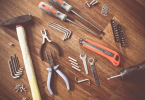
Essential Tools for Home Fixes
Before starting any repair, build a basic toolbox that includes:
- Hammer
- Adjustable wrench
- Screwdriver set
- Tape measure
- Utility knife
- Pliers
- Cordless drill
- Level
- Flashlight
- Safety gloves
- Safety glasses
- Stud finder
- Putty knife
- Caulking gun
Having the proper tools makes every repair faster, easier, and safer.
Step-by-Step Guide to Home Fixes
Step 1: Identify the Problem
Inspect the damaged area carefully.
Determine whether the issue involves water, electricity, wood, drywall, plumbing, or hardware. Understanding the root cause prevents temporary solutions from failing later.
Step 2: Gather the Right Materials
Collect all necessary tools before beginning.
Read product instructions carefully, especially for adhesives, sealants, paint, and replacement parts.
Step 3: Turn Off Utilities When Necessary
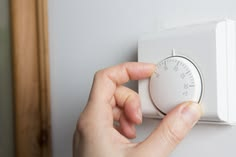
Safety always comes first.
Turn off electrical power before replacing outlets or switches. Shut off the water supply before repairing plumbing fixtures.
Never skip this step.
Step 4: Complete the Repair Carefully
Work slowly and avoid rushing.
Measure twice before cutting materials. Tighten screws without over-tightening. Follow manufacturer instructions for every product you use.
Small repairs completed correctly usually last much longer.
Step 5: Test Your Work
Once finished, inspect the repair carefully.
Turn utilities back on and verify that everything works properly. Make adjustments if necessary before cleaning your workspace.
Common Home Fixes You Can Do Yourself
Repairing a Leaking Faucet
A worn washer or cartridge often causes leaks.
Replacing these inexpensive parts usually stops dripping and reduces water waste.
Filling Drywall Holes
Small nail holes and dents are simple to repair using lightweight spackle.
Allow it to dry completely before sanding and repainting.
Fixing Squeaky Doors
Apply lubricant to the hinges or remove the hinge pin for cleaning before reinstalling it.
This quick repair usually eliminates annoying noises.
Replacing Cabinet Handles
Unscrew the old hardware, align the new handles carefully, and tighten the screws evenly.
This simple upgrade instantly refreshes kitchens and bathrooms.
Sealing Window Gaps
Apply fresh caulk around window frames to prevent drafts, improve insulation, and reduce energy bills.
Benefits of Home Fixes
- Save money on repair costs
- Increase property value
- Prevent larger maintenance problems
- Improve home safety
- Build practical repair skills
- Reduce emergency repairs
- Improve energy efficiency
- Increase confidence with DIY projects
- Extend the life of household fixtures
- Keep your home looking clean and well maintained
Disadvantages and Risks
Although DIY repairs offer many advantages, they also have limitations.
- Incorrect repairs can create bigger problems.
- Plumbing mistakes may cause water damage.
- Electrical repairs can be dangerous.
- Poor measurements waste materials.
- Using the wrong tools may damage surfaces.
- Some repairs require professional permits or inspections.
- Structural repairs should always be completed by qualified experts.
Understanding your skill level helps you decide when professional assistance is necessary.
Common Mistakes to Avoid
Many beginners repeat the same repair mistakes.
Avoid these common errors:
- Ignoring safety equipment
- Buying low-quality tools
- Guessing measurements
- Skipping preparation
- Using incorrect replacement parts
- Over-tightening screws
- Painting before repairs fully dry
- Forgetting to shut off electricity or water
- Rushing through repairs
- Ignoring manufacturer instructions
Taking extra time often produces professional-looking results.
Frequently Asked Questions
1. Are Home Fixes difficult for beginners?
Most basic repairs are beginner-friendly when you follow instructions carefully and use proper tools.
2. Which repair should I learn first?
Start with simple tasks such as replacing cabinet handles, patching wall holes, fixing squeaky doors, or changing faucet washers.
3. When should I hire a professional?
Hire an expert for structural damage, major plumbing issues, gas lines, roofing work, and complicated electrical repairs.
4. How can I improve my repair skills?
Practice simple projects regularly, learn from experience, organize your tools, and always follow safe repair procedures.
5. What tools are absolutely essential?
A hammer, screwdriver set, adjustable wrench, cordless drill, pliers, tape measure, utility knife, and safety equipment form an excellent starter toolkit.
6. Can Home Fixes increase property value?
Yes. Regular maintenance keeps a property attractive, prevents expensive damage, and helps preserve long-term value.
Expert Tips and Bonus Points
Always inspect your home every few months for small problems before they become expensive repairs.
Label your toolbox so every tool has its own place.
Keep spare screws, nails, washers, batteries, and wall anchors organized in small storage containers.
Buy quality tools instead of the cheapest options. Good tools last longer and produce better results.
Take photos before disassembling anything. They make reassembly much easier.
Maintain a simple home maintenance checklist to track seasonal inspections and completed repairs.
Wear protective equipment even during small projects because safety should always remain your highest priority.
Conclusion
Learning Home Fixes is one of the most valuable skills any homeowner can develop. Simple repairs not only save money but also improve safety, comfort, and the overall condition of your home. By understanding basic maintenance techniques, investing in quality tools, and following safe working practices, you can confidently complete many common household repairs without professional assistance.
Every successful repair builds experience and increases your confidence for future projects. Start with small tasks, work patiently, and never hesitate to seek professional help when a repair exceeds your knowledge or involves significant safety risks. Over time, these practical skills become second nature and help protect your investment for years to come. Whether you are fixing a dripping faucet, patching a wall, replacing hardware, or sealing windows, mastering Home Fixes is a smart step toward becoming a capable and responsible homeowner.