
Introduction
Creating a beautiful and functional home does not have to cost a fortune. Many homeowners and renters believe that improving their living space requires expensive renovations, professional contractors, and costly materials. In reality, budget DIY projects offer a practical and affordable way to refresh any room while adding a personal touch. Whether you want to decorate your bedroom, organize your kitchen, upgrade your garden, or create handmade furniture, simple DIY ideas can make a noticeable difference without stretching your budget.
Budget DIY projects have become increasingly popular because they encourage creativity, reduce waste, and help people learn valuable practical skills. Even beginners with little experience can complete many projects using basic tools and inexpensive supplies available at local stores. Small improvements, such as painting old furniture, building storage shelves, or making decorative wall art, can completely transform a space while saving hundreds of dollars.
Another advantage of DIY home improvement is the satisfaction of completing something with your own hands. Every finished project builds confidence and encourages you to tackle larger tasks in the future. Instead of replacing perfectly usable items, you can repair, repaint, or redesign them into something new and stylish.
This guide explains everything you need to know about budget DIY projects, including why they matter, how to start successfully, common mistakes to avoid, their benefits and risks, frequently asked questions, and expert tips that will help you achieve professional-looking results without spending a fortune.
What is Budget DIY Projects?
Budget DIY projects are affordable home improvement, decoration, repair, and crafting activities completed without hiring professionals. DIY stands for “Do It Yourself,” meaning you complete the work using your own skills, tools, and creativity.
These projects focus on keeping costs low while achieving attractive and practical results. Instead of buying expensive furniture or decorations, you can reuse existing materials or purchase low-cost supplies to create customized items.
Common examples include:
- Painting old furniture
- Building wooden shelves
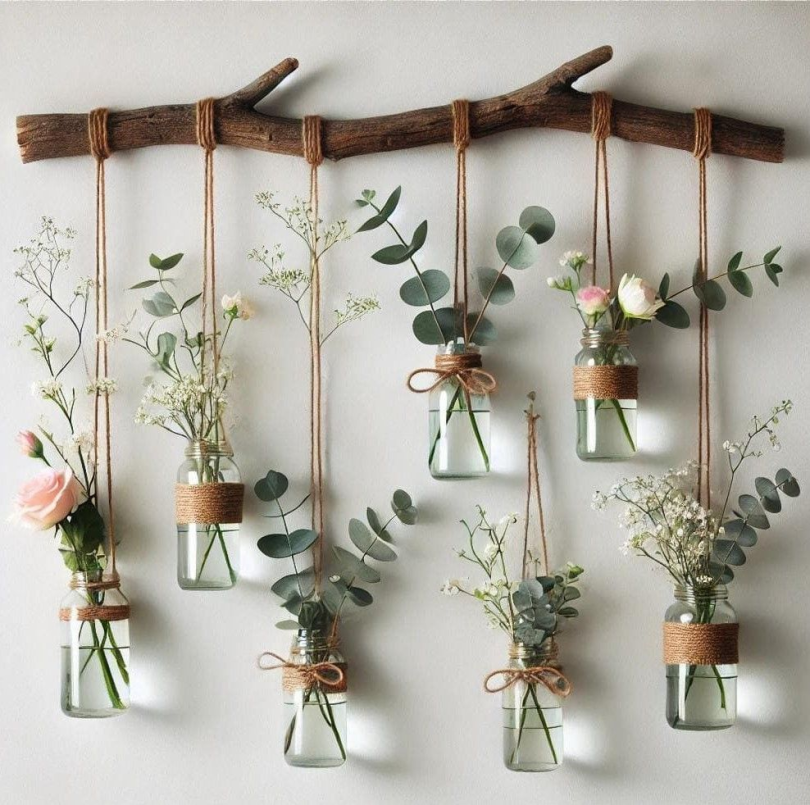
- Creating wall decorations
- Organizing closets
- Decorating flower pots
- Making storage boxes
- Installing simple floating shelves
- Upcycling old household items
Budget DIY projects are suitable for homeowners, renters, students, and anyone looking to improve their living environment while saving money.
Why is Budget DIY Projects Important?
Budget DIY projects provide far more than financial savings. They help people develop creativity, practical problem-solving skills, and confidence while improving their homes.
These projects also promote sustainability by reducing waste. Instead of throwing away old furniture or decorations, many items can be repaired, repainted, or redesigned into something useful again.
Another important advantage is customization. Store-bought products often look identical, but DIY projects allow you to create unique decorations that perfectly match your personal style.
Additionally, learning basic DIY skills reduces future maintenance expenses because you become capable of handling simple repairs independently instead of paying professionals for every small issue.
Detailed Step-by-Step Guide
Step 1: Set a Realistic Budget
Determine exactly how much you are willing to spend before purchasing materials. Even a small budget can produce impressive results with proper planning.
Step 2: Choose the Right Project
Start with beginner-friendly projects such as painting furniture, creating wall art, or organizing storage spaces before attempting advanced woodworking or remodeling.
Step 3: Gather Affordable Materials
Look for discounted supplies at local hardware stores, thrift shops, garage sales, or online marketplaces. Reusing existing materials also helps reduce expenses.
Step 4: Prepare Your Workspace
Clean your working area and organize your tools before beginning. A tidy workspace improves efficiency and reduces mistakes.
Step 5: Measure Carefully
Always measure twice before cutting wood, fabric, or other materials. Accurate measurements prevent wasted supplies and costly errors.
Step 6: Follow Instructions
If using tutorials or project plans, read every instruction completely before starting. Understanding the process helps avoid confusion during construction.
Step 7: Work Slowly
Avoid rushing through the project. Taking your time usually produces cleaner finishes and stronger results.
Step 8: Sand and Prepare Surfaces
For painting or refinishing furniture, sand rough surfaces properly. This creates better paint adhesion and improves the final appearance.
Step 9: Paint Evenly
Apply multiple thin coats instead of one thick layer. Thin coats dry faster and create a smoother finish.
Step 10: Add Finishing Details
Small finishing touches such as decorative handles, protective coatings, or stylish hardware can significantly improve the appearance of your completed project.
Benefits of Budget DIY Projects
Budget DIY projects provide numerous advantages for people who enjoy improving their homes while saving money.
- Save money compared to hiring professionals.
- Encourage creativity and personal expression.
- Improve practical home improvement skills.
- Increase confidence through hands-on experience.
- Reduce household waste by reusing old materials.
- Create customized furniture and decorations.
- Add value to your living space.
- Offer enjoyable activities for families and friends.
- Develop problem-solving and planning abilities.
- Allow gradual home improvements within a limited budget.
Disadvantages / Risks
Although budget DIY projects are rewarding, they also come with a few challenges.
- Some projects take longer than expected.
- Mistakes may increase material costs.
- Certain tools require safe handling.
- Beginners may need practice before achieving professional-quality results.
- Poor planning can lead to wasted supplies.
- Complex projects may require expert assistance.
Common Mistakes to Avoid
Many beginners make simple mistakes that can affect the final outcome. Avoiding these errors will help your projects look more polished and last longer.
- Starting without a clear plan.
- Buying unnecessary materials.
- Ignoring safety equipment such as gloves and eye protection.
- Measuring only once before cutting.
- Skipping surface preparation before painting.
- Rushing through drying or curing times.
- Using low-quality tools for important tasks.
- Choosing projects beyond your current skill level.
- Forgetting to organize tools and materials.
- Neglecting regular maintenance after completing the project.
FAQs
1. What are the easiest budget DIY projects for beginners?
Simple projects such as painting flower pots, creating wall art, building storage boxes, organizing shelves, or repainting old furniture are ideal for beginners. They require basic tools, affordable materials, and minimal experience while delivering attractive results.
2. How much money can budget DIY projects save?
The amount varies depending on the project, but many people save between 30% and 70% compared to hiring professionals or purchasing ready-made furniture and decorations. Reusing existing materials can increase savings even further.
3. What basic tools should every beginner own?
A basic DIY toolkit should include a hammer, screwdriver set, measuring tape, level, utility knife, paintbrushes, drill, sandpaper, safety glasses, gloves, and a small toolbox to keep everything organized.
4. Can renters do budget DIY projects?
Yes. Renters can choose temporary improvements such as removable wallpaper, peel-and-stick shelves, decorative lighting, storage organizers, framed artwork, and portable furniture that does not permanently alter the property.
5. Are budget DIY projects environmentally friendly?
Many DIY projects support sustainability by reducing waste and encouraging the reuse of furniture, wood, glass jars, pallets, fabric, and other household items. This decreases landfill waste while saving money.
6. How do I choose the right DIY project?
Consider your available budget, skill level, free time, and the tools you already own. Start with small projects to build confidence before attempting larger home improvement tasks.
Expert Tips & Bonus Points
Success with budget DIY projects depends on careful planning and patience. Professional-looking results are often achieved through attention to detail rather than expensive materials.
Purchase quality paint even if your budget is limited because it provides better coverage and durability. Always keep leftover materials organized for future repairs or creative projects.
Look for seasonal discounts on tools and supplies to reduce expenses. Visit thrift stores, flea markets, and garage sales for affordable furniture that can be restored with paint, stain, or new hardware.
Practice new techniques on scrap materials before working on the final project. Taking photographs before and after each project also helps you track your progress and inspires future ideas.
Create a checklist before starting each project to ensure that every tool and material is ready. This simple habit saves time and prevents unnecessary interruptions during the work.
Finally, remember that perfection is not the goal. Every completed project teaches valuable skills that make future DIY work easier, faster, and more enjoyable.
Conclusion
Budget DIY projects prove that creating a stylish, comfortable, and functional home does not require a large financial investment. With thoughtful planning, affordable materials, and a willingness to learn, anyone can complete rewarding projects that improve both the appearance and practicality of their living space. From repainting old furniture to building simple storage solutions, every project offers an opportunity to save money while expressing personal creativity.
One of the greatest strengths of DIY home improvement is the freedom to customize every detail according to your own preferences. Instead of settling for mass-produced products, you can create unique decorations, furniture, and organizational solutions that perfectly suit your lifestyle. At the same time, repairing and repurposing existing items helps reduce waste and supports environmentally responsible living.
While some projects require patience and practice, beginners can achieve impressive results by starting with simple tasks and gradually building their skills. Careful measurements, proper preparation, and attention to detail make a significant difference in the final outcome. Every completed project increases confidence and encourages further learning.
Whether your goal is saving money, improving your home’s appearance, developing practical skills, or enjoying a productive hobby, budget DIY projects offer lasting value. By applying the ideas and techniques outlined in this guide, you can transform ordinary spaces into attractive, personalized environments without exceeding your budget. Small improvements completed consistently often create the biggest impact over time, proving that creativity and determination matter far more than expensive materials.