
Introduction
Easy DIY Projects are one of the best ways to improve your home, learn practical skills, and enjoy a productive hobby without spending a fortune. Whether you want to decorate your living space, organize your workspace, or create personalized gifts, simple do-it-yourself projects can help you achieve impressive results using affordable materials and basic tools.
Many beginners believe that DIY work requires advanced woodworking, painting, or construction experience. In reality, countless Easy DIY Projects are designed specifically for people with little or no experience. With clear instructions and a little patience, anyone can complete attractive and functional projects in just a few hours.
Another reason DIY has become increasingly popular is its flexibility. You can work at your own pace, customize every detail, and create something that perfectly matches your personal style. Instead of purchasing expensive ready-made products, you can build unique items while learning valuable skills that become useful in everyday life.
From simple wall decorations and storage solutions to handmade planters and furniture makeovers, Easy DIY Projects encourage creativity while helping you save money. This guide covers everything beginners need to know, including what DIY projects are, why they matter, step-by-step instructions, benefits, risks, common mistakes, expert advice, and frequently asked questions to help you start your DIY journey with confidence.
What is Easy DIY Projects?
Easy DIY Projects refer to simple “Do It Yourself” activities that individuals can complete without hiring professionals. These projects usually involve basic materials, affordable tools, and easy-to-follow instructions suitable for beginners.
DIY projects can include home decoration, furniture upgrades, gardening ideas, storage solutions, crafts, painting, and organization improvements. Most projects require only a few hours and minimal technical knowledge.
The main purpose of Easy DIY Projects is to encourage creativity while solving everyday problems. Instead of buying expensive products, people create customized solutions that match their needs and preferences.
Why is Easy DIY Projects Important?
Easy DIY Projects offer much more than attractive decorations. They help develop practical skills while encouraging creativity and problem-solving abilities.
DIY activities also reduce household expenses because many projects reuse old materials instead of requiring expensive purchases. This makes them both economical and environmentally friendly.
Completing projects independently builds confidence. Every finished project teaches new techniques that can be applied to future improvements around the home.
Additionally, DIY work can become a relaxing hobby that reduces stress and provides a satisfying sense of accomplishment.
Detailed Step-by-Step Guide
Step 1: Choose a Simple Project
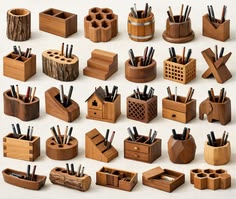
Start with a project that matches your skill level. Wall shelves, painted flower pots, photo frames, wooden organizers, and storage boxes are excellent beginner choices.
Step 2: Gather Materials
Prepare everything before starting.
Common materials include:
- Wood
- Paint
- Brushes
- Sandpaper
- Measuring tape
- Screws
- Glue
- Nails
- Safety gloves
- Safety glasses
Having materials ready prevents interruptions during the project.
Step 3: Create a Workspace
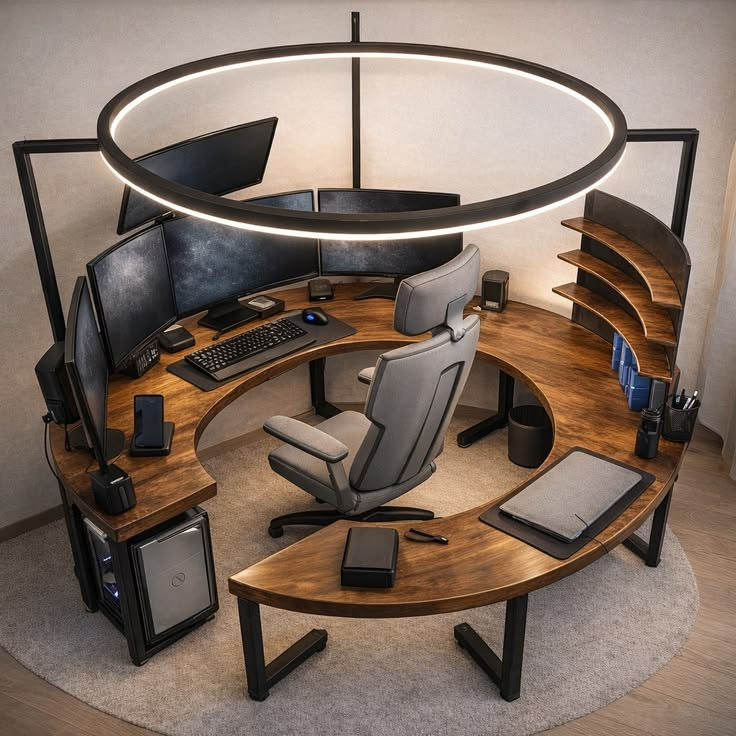
Choose a clean, well-lit, and ventilated area.
Protect floors and furniture with newspapers or plastic sheets if painting or sanding is involved.
Keep tools organized to improve safety and efficiency.
Step 4: Measure Carefully
Accurate measurements are essential for successful results.
Measure twice before cutting wood or fabric to avoid costly mistakes.
Mark measurements clearly using a pencil and ruler.
Step 5: Assemble Slowly
Follow your project instructions one step at a time.
Do not rush the assembly process.
Allow glue, paint, or finishes to dry completely before moving to the next stage.
Step 6: Sand and Finish
Smooth rough surfaces with sandpaper.
Apply paint, stain, or protective coating evenly.
Allow sufficient drying time for a professional-looking finish.
Step 7: Inspect Your Project
Check for loose screws, uneven paint, or rough edges.
Make small adjustments before placing the finished item in your home.
Benefits of Easy DIY Projects
- Saves money compared to buying finished products.
- Encourages creativity and personal expression.
- Improves practical problem-solving skills.
- Builds confidence through hands-on learning.
- Creates customized home decorations.
- Helps recycle old furniture and materials.
- Reduces household waste.
- Provides a relaxing and enjoyable hobby.
- Strengthens family bonding through shared activities.
- Develops patience and attention to detail.
Disadvantages / Risks
- Beginners may make measurement mistakes.
- Some tools require careful handling.
- Poor planning can waste materials.
- Certain projects may take longer than expected.
- Low-quality materials reduce durability.
- Skipping safety equipment increases injury risk.
- Incorrect assembly can affect stability.
- Some finishes require proper ventilation.
Common Mistakes to Avoid
Many beginners become excited and rush into projects without proper planning. Taking time to prepare significantly improves results.
Avoid choosing projects that exceed your current skill level. Starting small allows you to build experience gradually.
Never ignore safety equipment. Protective glasses and gloves help prevent injuries while working with tools or chemicals.
Buying the cheapest materials often leads to disappointing results. Invest in reliable supplies for better durability.
Skipping measurements is another common mistake. Even minor measurement errors can ruin an entire project.
Do not rush drying times. Paint, glue, and finishes need adequate time to cure properly before use.
Finally, avoid cluttered workspaces. Organized tools and materials improve both safety and productivity.
FAQs
1. What are the easiest DIY projects for beginners?
Simple projects include painted flower pots, floating shelves, wall art, storage boxes, picture frames, candle holders, and wooden organizers. These projects require basic tools and are ideal for first-time DIY enthusiasts.
2. Do I need expensive tools?
No. Most Easy DIY Projects only require basic tools such as a hammer, screwdriver, measuring tape, drill, paintbrushes, glue, and sandpaper. You can expand your toolkit as your experience grows.
3. How much money can DIY projects save?
Savings vary depending on the project, but many people reduce costs by 30% to 70% compared to purchasing ready-made furniture or decorations.
4. Are DIY projects safe?
Yes, when proper safety precautions are followed. Always wear protective equipment, read tool instructions carefully, and keep your workspace organized.
5. How long does a beginner project usually take?
Many beginner-friendly projects can be completed within one to four hours, while larger furniture or renovation projects may require several days.
6. Can children participate in Easy DIY Projects?
Yes, children can enjoy age-appropriate DIY activities under adult supervision. Simple crafts, painting, and decoration projects help develop creativity and fine motor skills while encouraging teamwork.
Expert Tips & Bonus Points
Start with affordable materials while learning new techniques. Mistakes become less costly and provide valuable learning experiences.
Watch project demonstrations before beginning. Understanding each step improves confidence and reduces errors.
Keep leftover materials organized for future projects. Small wood pieces, paint, screws, and fabric scraps often become useful later.
Invest in quality measuring tools because accuracy directly affects project success.
Create a project checklist before starting. Planning materials, tools, and steps helps prevent delays.
Take photographs during each stage of your work. Tracking progress helps identify improvements for future projects.
Practice basic painting, sanding, and drilling techniques on scrap materials before working on your final project.
Maintain your tools by cleaning and storing them properly after each use. Well-maintained tools last longer and perform better.
Don’t compare your work with experienced DIY professionals. Every completed project increases your skills and confidence.
Most importantly, enjoy the creative process. Every project teaches something valuable and brings you closer to becoming a capable DIY enthusiast.
Conclusion
Easy DIY Projects prove that creativity, practical skills, and home improvement do not require professional experience or expensive equipment. With basic tools, affordable materials, and a willingness to learn, beginners can successfully complete attractive and functional projects that enhance their living spaces while saving money. Every completed project builds confidence and develops valuable skills that become useful in many areas of daily life.
The key to long-term success is starting with simple ideas and gradually progressing toward more advanced projects. Careful planning, accurate measurements, quality materials, and proper safety practices make a significant difference in the final outcome. Even when mistakes happen, they provide opportunities to learn and improve future work.
DIY projects also encourage sustainability by giving old furniture and unused materials a second life instead of sending them to landfills. This not only reduces waste but also allows you to create personalized items that reflect your own style and creativity.
Whether your goal is decorating a room, organizing your home, building practical furniture, or discovering a rewarding hobby, Easy DIY Projects offer endless possibilities. With patience, practice, and consistent learning, you can transform simple ideas into beautiful creations while enjoying every step of the process. Begin with one small project today, and you’ll soon discover how satisfying and rewarding the DIY journey can truly become.