
introduction
Creative DIY Ideas have become one of the most enjoyable ways to improve your home, save money, and express your personality. Whether you want to decorate your living room, organize your workspace, or create handmade gifts, DIY projects provide endless opportunities to learn new skills while producing something meaningful. Unlike expensive home improvements, most DIY activities require only basic tools and affordable materials, making them perfect for beginners and experienced hobbyists alike.
People enjoy DIY projects because they combine creativity with practicality. Instead of buying ready-made products, you can customize items according to your style, budget, and needs. From recycled crafts to furniture makeovers, every project teaches valuable skills while encouraging innovation. The satisfaction of completing something with your own hands also boosts confidence and inspires future projects.
Today, Creative DIY Ideas are popular among homeowners, students, parents, and craft enthusiasts because they offer flexibility and endless inspiration. Whether you have ten minutes or an entire weekend, there is always a project that matches your schedule and experience level.
This guide explains everything you need to know about Creative DIY Ideas, including their importance, step-by-step instructions, benefits, common mistakes, frequently asked questions, and professional tips to help you achieve impressive results with confidence.
What Are Creative DIY Ideas?
Creative DIY Ideas refer to projects that involve designing, building, decorating, repairing, or customizing items using your own skills and simple materials. DIY stands for “Do It Yourself,” meaning you complete tasks independently instead of hiring professionals or purchasing finished products.
DIY projects can include home decoration, furniture restoration, wall art, gardening, handmade gifts, storage solutions, seasonal decorations, and recycled crafts. They encourage creativity while helping people develop practical problem-solving skills.
The best part about DIY activities is their flexibility. You can start with simple paper crafts or gradually move toward advanced woodworking, painting, sewing, or home improvement projects as your confidence grows.
Why Are Creative DIY Ideas Important?
Creative DIY Ideas provide much more than attractive decorations. They encourage learning, reduce unnecessary spending, and promote sustainable living by reusing existing materials.
Creating items yourself develops patience, planning, and attention to detail. These valuable skills can improve everyday problem-solving while providing a relaxing escape from daily stress.
DIY activities also strengthen family relationships. Parents and children often complete projects together, creating memorable experiences while learning teamwork and communication.
Another important advantage is personalization. Instead of purchasing mass-produced products, DIY allows you to create unique items that perfectly reflect your personality and lifestyle.
Detailed Step-by-Step Guide
Step 1: Choose the Right Project
Start with a project that matches your experience level. Simple candle holders, photo frames, painted flower pots, or decorative shelves are excellent beginner options. Completing smaller projects builds confidence before attempting larger ones.
Step 2: Gather Essential Materials
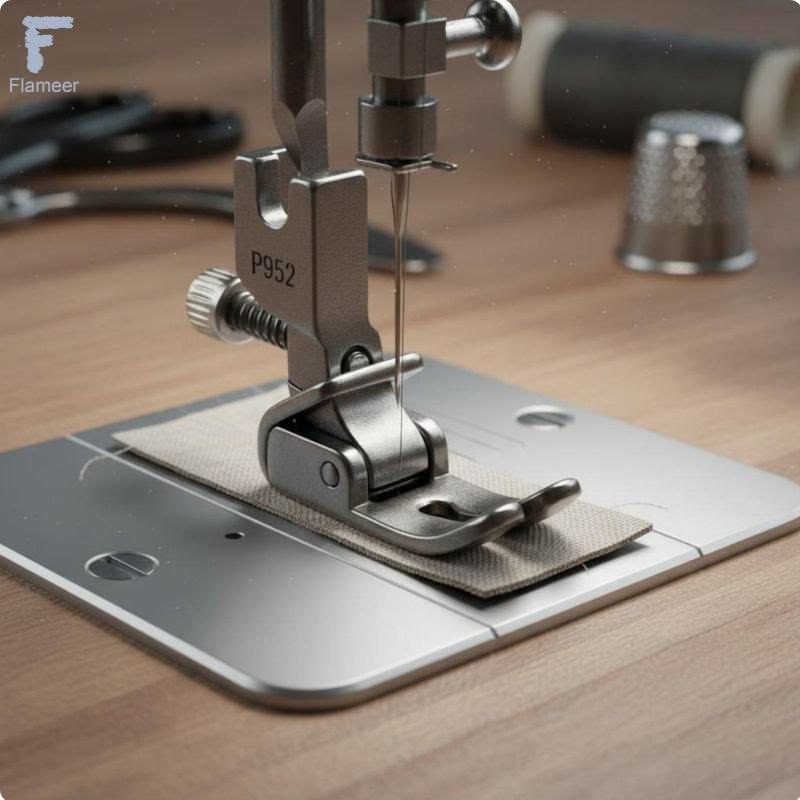
Prepare all required supplies before starting. Common DIY materials include scissors, glue, paint, brushes, measuring tape, sandpaper, wood, fabric, recycled containers, cardboard, screws, nails, and protective equipment. Organizing everything in advance makes the project smoother and more enjoyable.
Step 3: Create a Simple Plan
Sketch your design or write down the project steps. Measure carefully, estimate material requirements, and identify potential challenges before beginning. Good planning reduces mistakes and prevents unnecessary waste.
Step 4: Prepare Your Workspace
Choose a clean, well-lit, and ventilated area with enough room to work comfortably. Cover surfaces with protective sheets if painting or using glue. Keep tools organized so everything remains within easy reach.
Step 5: Build Carefully
Follow each step patiently without rushing. Measure twice before cutting materials, apply paint evenly, and allow sufficient drying time whenever necessary. Careful workmanship always produces better-looking results.
Step 6: Add Personal Touches
Customize your project using colors, patterns, textures, labels, or decorative accessories that complement your style. Personalization transforms ordinary crafts into meaningful creations.
Step 7: Inspect the Final Result
Check your finished project for stability, appearance, and functionality. Make small adjustments if needed and clean the workspace before storing leftover materials for future DIY activities.
Benefits of Creative DIY Ideas
Creative DIY Ideas offer numerous advantages for individuals and families. Some of the most valuable benefits include:
- Save money by creating useful items instead of buying expensive products.
- Encourage creativity and inspire original thinking.
- Develop practical skills such as measuring, painting, repairing, and organizing.
- Reduce household waste by reusing old materials.
- Create personalized decorations that match your style.
- Improve confidence through completing successful projects.
- Provide relaxing and enjoyable activities during free time.
- Offer meaningful opportunities to spend quality time with family and friends.
- Increase appreciation for handmade craftsmanship.
- Support sustainable living through recycling and upcycling.
Disadvantages and Risks
Although DIY projects are rewarding, they also come with a few challenges.
- Beginners may make mistakes that waste materials.
- Some projects require specialized tools that increase costs.
- Larger projects often take more time than expected.
- Incorrect measurements can affect the final result.
- Poor safety practices may lead to minor injuries.
- Cheap materials sometimes reduce durability.
- Advanced projects can become frustrating without proper planning.
Understanding these risks helps you prepare better and complete projects more successfully.
Common Mistakes to Avoid
Many beginners repeat the same errors when starting DIY projects. Avoiding these mistakes saves time, money, and effort.
Never skip the planning stage. A simple design sketch and material checklist make the process much smoother.
Avoid rushing through measurements. Measure carefully before cutting wood, fabric, or other materials.
Do not ignore safety equipment. Wear gloves, safety glasses, or masks whenever appropriate.
Resist buying unnecessary supplies. Start with basic tools and expand your collection gradually.
Choose quality materials whenever possible because durable supplies usually produce better long-term results.
Finally, allow enough drying or curing time for paint, glue, or finishes before using your completed project.
Frequently Asked Questions
1. What are the easiest Creative DIY Ideas for beginners?
Simple projects such as painted flower pots, decorative jars, picture frames, wall art, candle holders, and storage boxes are excellent starting points. They require basic tools while helping beginners build confidence.
2. Do DIY projects save money?
Yes. Many projects cost significantly less than purchasing finished products. Reusing household materials and recycled items reduces expenses even further while encouraging sustainable habits.
3. Which tools should every beginner own?
A basic toolkit should include scissors, a measuring tape, screwdriver set, hammer, glue gun, paintbrushes, utility knife, ruler, pencil, sandpaper, and protective gloves. These tools cover many common DIY projects.
4. How can I improve my DIY skills?
Practice regularly by completing increasingly challenging projects. Learn from mistakes, observe different techniques, and focus on accuracy rather than speed. Experience naturally improves craftsmanship over time.
5. Are DIY projects suitable for children?
Yes, provided the activities match their age and proper adult supervision is available. Paper crafts, painting, simple decorations, and recycled art projects are enjoyable ways to encourage creativity and teamwork.
6. How do I choose the right DIY project?
Consider your available time, budget, skill level, workspace, and required materials. Begin with manageable projects that provide quick success before attempting larger furniture or home improvement tasks.
Expert Tips and Bonus Points
Always keep a notebook containing measurements, material lists, and project ideas for future reference.
Purchase versatile tools instead of specialized equipment whenever possible. Quality tools often last for years and improve overall results.
Use leftover materials creatively instead of throwing them away. Small wood pieces, glass jars, fabric scraps, and cardboard often become useful future projects.
Practice painting or cutting techniques on scrap materials before working on your final project.
Organize tools after every project. A clean workspace improves efficiency and reduces frustration during future activities.
Photograph your completed work to track your progress and identify areas for improvement. Reviewing previous projects provides motivation while helping you develop new creative ideas.
Experiment with colors, textures, and finishes instead of copying every design exactly. Personal creativity makes every project unique.
Most importantly, enjoy the learning process. Every completed project builds valuable experience, even when small mistakes occur.
Conclusion
Creative DIY Ideas are much more than enjoyable hobbies. They combine creativity, practical learning, and personal satisfaction while helping people create useful items without spending large amounts of money. Whether you want to decorate your home, organize your workspace, make thoughtful gifts, or recycle unused materials, DIY projects offer endless opportunities for growth and self-expression.
Starting with simple projects allows beginners to develop confidence while gradually learning new techniques. Careful planning, accurate measurements, quality materials, and safe working habits all contribute to successful results. As your experience increases, you can confidently tackle more advanced projects that improve both your skills and your living space.
Another important advantage of DIY is its ability to encourage sustainable living. Reusing existing materials reduces waste while inspiring creative thinking. Every handmade project reflects your personality, making it more meaningful than many mass-produced alternatives.
Remember that perfection is not the primary goal. Every project teaches valuable lessons that improve future results. Stay patient, continue practicing, and never hesitate to experiment with fresh designs and creative approaches. With consistent effort and enthusiasm, Creative DIY Ideas can become an enjoyable lifelong hobby that saves money, develops practical skills, strengthens creativity, and transforms ordinary materials into beautiful, functional creations for your home and everyday life.