
Introduction
Finding meaningful ways to spend your free time can improve both your productivity and creativity. That is why Weekend DIY Ideas have become increasingly popular among homeowners, students, families, and hobbyists. Instead of spending an entire weekend watching television or scrolling through social media, you can use your time to create something practical, beautiful, or personalized with your own hands.
DIY, which stands for “Do It Yourself,” encourages people to complete projects without relying heavily on professionals. Whether you want to decorate your living room, organize your workspace, refresh old furniture, or create handmade gifts, there are countless projects suitable for every skill level. The best part is that many DIY activities require only basic tools and affordable materials that are already available at home.
Weekend projects are also an excellent opportunity to learn new skills while reducing unnecessary expenses. Rather than purchasing expensive decorative items, you can customize existing materials and create something unique that reflects your personality. These activities are enjoyable for individuals, couples, and families alike.
This guide explores practical Weekend DIY Ideas, explains why they are valuable, provides a detailed step-by-step approach, highlights their benefits and potential risks, answers common questions, and shares expert advice to help beginners and intermediate DIY enthusiasts complete successful projects with confidence.
What is Weekend DIY Ideas?
Weekend DIY Ideas refer to creative home improvement, decoration, repair, crafting, and organization projects that can be completed during a weekend. These projects are designed to fit into your free time without requiring advanced technical knowledge or expensive equipment.
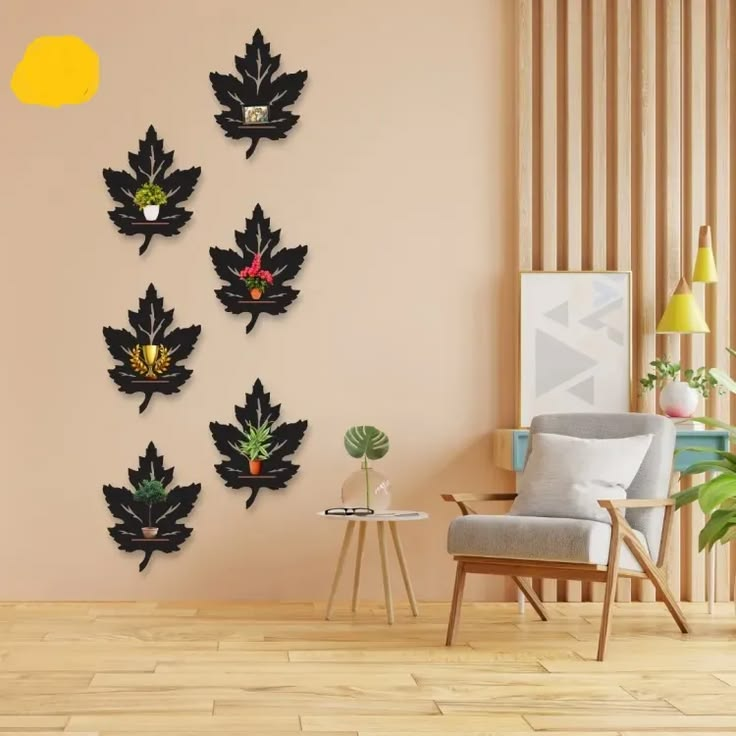
Popular DIY weekend projects include painting furniture, building storage shelves, organizing closets, decorating walls, creating planters, making handmade gifts, and upgrading outdoor spaces. Many people also enjoy recycling old household items into useful products through creative upcycling.
The primary purpose of these projects is to improve your living environment while developing practical skills and expressing creativity.
Why is Weekend DIY Ideas Important?
Weekend DIY Ideas provide more than attractive home improvements. They encourage creative thinking, improve problem-solving abilities, and offer a productive alternative to passive entertainment.
Working on DIY projects can reduce stress because hands-on activities help improve concentration and relaxation. Completing a project also creates a strong sense of achievement, boosting confidence for future tasks.
Additionally, DIY activities often save money. Instead of hiring professionals for simple improvements or purchasing expensive decorations, you can create personalized solutions that suit your budget.
Families also benefit from DIY weekends because they encourage teamwork, communication, and quality time together while teaching children valuable practical skills.
Detailed Step-by-Step Guide
Step 1: Choose the Right Project
Select a project that matches your available time, experience level, and budget. Beginners should start with simple tasks before attempting advanced woodworking or renovation projects.
Step 2: Gather Materials
Prepare all required materials before starting. Common DIY supplies include:
- Measuring tape
- Hammer
- Screwdriver
- Paint
- Paintbrushes
- Sandpaper
- Glue
- Nails
- Screws
- Protective gloves
- Safety glasses
Having everything ready helps prevent interruptions during the project.
Step 3: Prepare Your Workspace
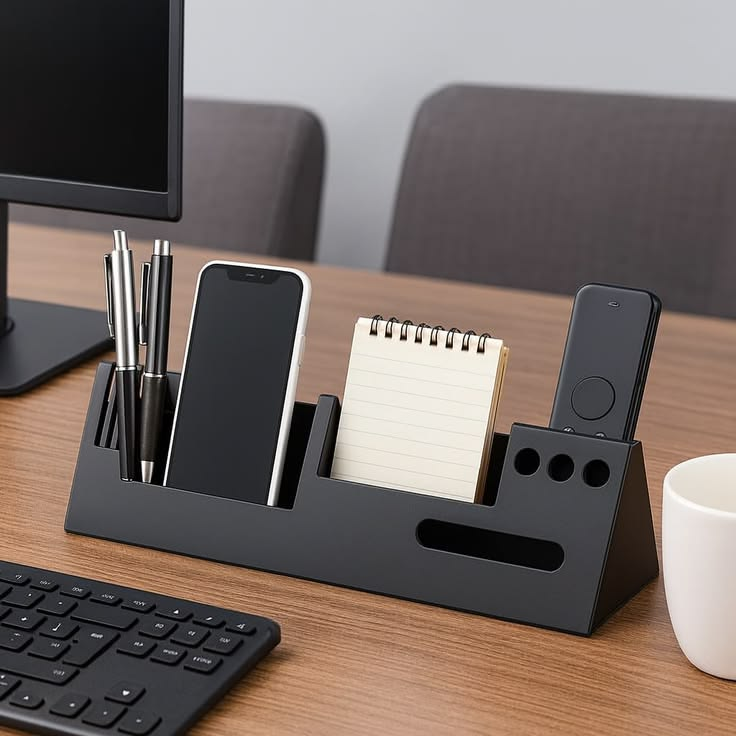
Clean the working area and remove unnecessary items. Good lighting, proper ventilation, and enough working space improve both safety and efficiency.
Cover nearby furniture or flooring if painting or sanding is involved.
Step 4: Follow a Simple Plan
Write down each stage before beginning. Breaking a project into smaller tasks makes it easier to manage and reduces mistakes.
Measure carefully before cutting or assembling materials.
Step 5: Build Carefully
Take your time during construction or assembly. Rushing often leads to uneven finishes or wasted materials.
Double-check measurements before attaching permanent pieces.
Step 6: Add Personal Style
Paint, decorate, or customize your finished project according to your personal taste. Small design choices can make ordinary items look unique.
For example, an old wooden chair can become a modern decorative piece with fresh paint and new cushions.
Step 7: Inspect the Final Result
Check the completed project for loose screws, rough edges, or unfinished areas. Make final adjustments before placing the item in your home.
Regular maintenance will help your DIY creation last much longer.
Benefits of Weekend DIY Ideas
- Improve creativity and imagination.
- Save money on home improvements.
- Learn practical life skills.
- Increase confidence through completed projects.
- Reduce household waste through recycling.
- Create personalized home decorations.
- Strengthen family relationships.
- Reduce stress through productive activities.
- Improve organization and storage.
- Make better use of free weekends.
Disadvantages / Risks
- Some projects require specialized tools.
- Incorrect measurements may waste materials.
- Certain repairs may need professional assistance.
- Paints and chemicals require careful handling.
- Power tools can cause injuries if used improperly.
- Larger projects may exceed the planned budget.
- Poor planning can increase project time.
- Inadequate safety equipment increases accident risks.
Common Mistakes to Avoid
Many beginners start projects without proper planning, leading to unnecessary frustration.
Avoid purchasing materials before measuring your workspace carefully.
Never ignore safety equipment when using cutting or drilling tools.
Trying overly complicated projects too early often results in unfinished work.
Skipping preparation usually produces poor-quality results.
Using cheap materials may reduce durability and appearance.
Finally, rushing the finishing process often affects the overall quality more than any other mistake.
FAQs
1. What are the easiest Weekend DIY Ideas for beginners?
Simple wall art, painted flower pots, storage boxes, floating shelves, and furniture painting are excellent beginner-friendly projects.
2. How much money do most DIY weekend projects cost?
Many projects cost between $20 and $100, depending on materials, tools, and project size.
3. Do I need expensive tools?
No. Most beginner projects only require basic household tools such as screwdrivers, hammers, measuring tapes, brushes, and glue.
4. How can I improve my DIY skills?
Practice regularly, begin with smaller projects, learn from experience, and gradually increase project difficulty as your confidence grows.
5. Are Weekend DIY Ideas suitable for families?
Yes. Many projects are family-friendly and provide opportunities for teamwork, creativity, and enjoyable weekend activities.
6. Can DIY projects increase home value?
Yes. Well-planned improvements such as storage solutions, fresh paint, garden enhancements, and decorative upgrades can improve a home’s appearance and overall value.
Expert Tips & Bonus Points
Always start with a realistic budget and avoid purchasing unnecessary materials.
Keep leftover supplies organized for future projects.
Measure twice before making any permanent cuts.
Invest in quality basic tools because they last longer and improve project accuracy.
Take photographs before and after completing each project to track your progress and inspire future ideas.
Reuse old furniture whenever possible instead of buying new items. Upcycling saves money while supporting environmentally friendly living.
Set aside enough uninterrupted time so you can complete the project without feeling rushed.
Continue learning new techniques through regular practice, as each completed project builds valuable experience for the next challenge.
Conclusion
Weekend DIY Ideas offer an enjoyable way to transform ordinary weekends into productive and rewarding experiences. Whether your goal is improving home organization, decorating your living space, repairing furniture, or creating handmade gifts, DIY projects allow you to combine creativity with practical skills. Every completed project teaches valuable lessons about planning, patience, and problem-solving while providing lasting satisfaction from building something yourself.
One of the greatest advantages of DIY projects is their flexibility. You can choose simple beginner-friendly activities or gradually explore more advanced improvements as your confidence grows. By selecting affordable materials, preparing carefully, and following each step methodically, even small projects can deliver impressive results without requiring professional assistance. Safety should always remain a priority, and taking time to measure accurately and work patiently will greatly improve the final outcome.
Most importantly, Weekend DIY Ideas help create meaningful memories while enhancing your living environment. They encourage continuous learning, reduce unnecessary spending, promote sustainable habits through recycling and upcycling, and inspire creative thinking that extends beyond home improvement. With consistent practice and thoughtful planning, every weekend becomes an opportunity to develop useful skills, personalize your surroundings, and enjoy the satisfaction that comes from completing projects with your own hands.