
Every home requires regular maintenance to stay comfortable, safe, and attractive. Whether you own a house or rent an apartment, knowing a few basic home repair tips can save you time, money, and unnecessary stress. Small issues such as a dripping faucet, loose cabinet handle, or cracked wall may seem minor at first, but they can become costly problems if ignored.
Learning essential home repair skills does not mean becoming a professional contractor. Instead, it involves understanding how to handle simple maintenance tasks safely and efficiently. With the right tools, patience, and preparation, anyone can complete many common household repairs without hiring outside help.
Home repairs also increase your confidence as a homeowner. Rather than waiting days for professional assistance, you can solve everyday problems quickly while improving your property’s appearance and value. Regular maintenance prevents expensive repairs and extends the life of important home systems.
This guide covers practical home repair tips for beginners, explains why they matter, highlights common mistakes to avoid, and shares expert advice to help you maintain your home successfully.
What Are Home Repair Tips?
Home repair tips are practical techniques and maintenance practices that help homeowners fix common household problems safely and effectively. These tips include repairing damaged walls, fixing leaking faucets, replacing worn-out hardware, sealing gaps, maintaining plumbing fixtures, and performing routine inspections around the home.
Unlike major renovations, home repairs usually focus on smaller issues that require basic tools and simple skills. Learning these techniques allows homeowners to reduce repair costs while preventing minor damage from becoming major structural problems.
Basic home repair knowledge includes understanding safety procedures, selecting the proper tools, following manufacturer instructions, and recognizing when professional assistance is necessary.
Why Are Home Repair Tips Important?
Home maintenance is an investment in your property’s long-term condition. Ignoring small issues often leads to expensive repairs that could have been avoided through regular maintenance.
Important reasons to learn home repair tips include:
- Save money on minor repairs.
- Prevent small problems from becoming serious.
- Improve household safety.
- Increase property value.
- Extend the lifespan of appliances and fixtures.
- Reduce emergency maintenance costs.
- Build confidence in handling everyday household issues.
- Keep your living space clean and functional.
Regular maintenance also creates a healthier indoor environment by reducing moisture, mold growth, and structural deterioration.
Step-by-Step Guide to Basic Home Repairs
1. Gather Essential Tools
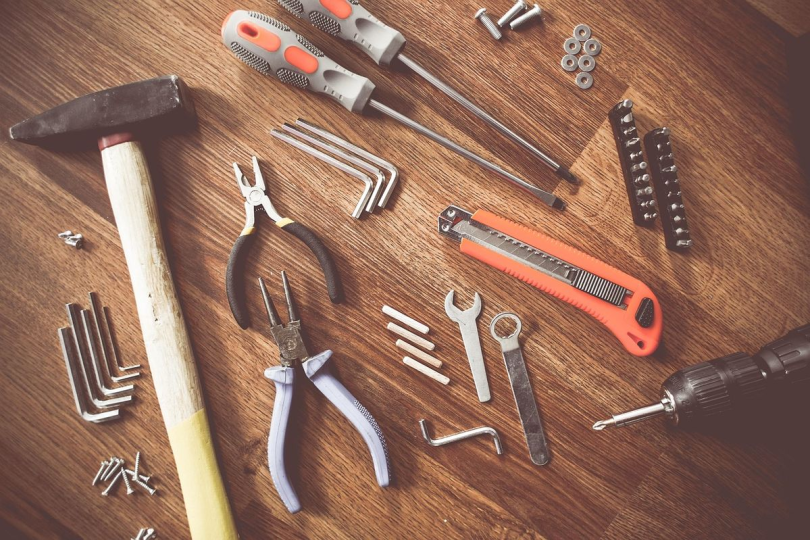
Before beginning any repair project, prepare a basic toolbox containing:
- Hammer
- Screwdrivers
- Adjustable wrench
- Utility knife
- Measuring tape
- Pliers
- Flashlight
- Level
- Cordless drill
- Safety gloves
- Safety glasses
Having quality tools makes repairs easier and reduces the risk of accidents.
2. Identify the Problem Carefully
Never rush into repairs without understanding the actual cause of the issue. For example, peeling paint may result from moisture rather than poor paint quality. A leaking ceiling could originate from plumbing rather than the roof.
Inspect the damaged area thoroughly before purchasing materials.
3. Turn Off Utilities When Necessary
Safety should always come first.
Before repairing electrical outlets, switches, or lighting fixtures, switch off the electricity at the breaker panel.
For plumbing repairs, shut off the water supply before removing pipes or faucets.
4. Fix Small Wall Damage
Minor holes caused by nails or screws can be repaired using wall filler.
Steps include:
- Clean the damaged area.
- Apply filler evenly.
- Allow it to dry completely.
- Sand the surface smooth.
- Repaint if necessary.
This simple repair restores the appearance of interior walls.
5. Repair a Leaking Faucet
A dripping faucet wastes water and increases utility bills.
Most leaks occur because of worn washers or damaged cartridges.
Basic repair steps include:
- Turn off the water supply.
- Remove the faucet handle.
- Replace worn components.
- Reassemble the faucet.
- Test for leaks.
6. Tighten Loose Hardware
Cabinet handles, door hinges, drawer pulls, and furniture screws often become loose over time.
Regular tightening prevents unnecessary wear and extends the life of household fixtures.
7. Seal Air Leaks
Small gaps around doors and windows reduce energy efficiency.
Use weather stripping or caulk to seal openings and improve insulation. This helps maintain comfortable indoor temperatures while lowering heating and cooling costs.
8. Maintain Plumbing Fixtures
Inspect visible pipes regularly for leaks, corrosion, or loose connections.
Clean drains using safe methods rather than harsh chemicals whenever possible.
Early detection prevents expensive water damage.
9. Replace Damaged Caulk
Bathroom and kitchen caulk eventually cracks due to moisture exposure.
Remove damaged caulk completely before applying a fresh waterproof seal.
This prevents mold growth and water penetration.
10. Test Smoke Detectors
Replace batteries at least once each year.
Press the test button monthly to ensure smoke detectors function correctly.
Properly working alarms provide valuable protection during emergencies.
Benefits of Home Repair Tips
Learning practical repair skills offers many advantages:
- Save significant repair expenses.
- Improve home safety.
- Increase property value.
- Extend the lifespan of household fixtures.
- Reduce emergency maintenance.
- Improve energy efficiency.
- Prevent water damage.
- Build useful lifelong skills.
- Increase homeowner confidence.
- Maintain an attractive living environment.
Disadvantages and Risks
Although DIY repairs offer many benefits, they also involve certain risks.
- Incorrect repairs may worsen the damage.
- Poor-quality materials reduce durability.
- Electrical work can be dangerous.
- Plumbing mistakes may cause flooding.
- Improper ladder use increases injury risk.
- Hidden structural damage may remain unnoticed.
- Some repairs require professional permits.
Understanding personal skill limits is an important part of responsible home maintenance.
Common Mistakes to Avoid
Many beginners make avoidable repair mistakes that increase costs later.
Common errors include:
- Skipping safety precautions.
- Buying incorrect replacement parts.
- Ignoring manufacturer instructions.
- Using poor-quality tools.
- Applying excessive force when tightening screws.
- Painting over damaged surfaces without preparation.
- Ignoring small leaks.
- Starting projects without planning.
- Failing to measure accurately.
- Attempting repairs beyond personal experience.
Avoiding these mistakes leads to safer and longer-lasting results.
Frequently Asked Questions
1. What are the easiest home repairs for beginners?
Simple tasks such as tightening screws, fixing small wall holes, replacing cabinet handles, unclogging drains, and sealing windows are excellent beginner projects.
2. How often should I inspect my home?
A general inspection every few months helps identify small problems before they become expensive repairs. Seasonal inspections are also recommended for roofs, gutters, plumbing, and heating systems.
3. Which tools should every homeowner own?
A basic toolkit should include screwdrivers, pliers, a hammer, measuring tape, adjustable wrench, utility knife, cordless drill, flashlight, and safety equipment.
4. When should I hire a professional?
You should contact a qualified professional for major electrical work, structural repairs, gas line issues, foundation problems, or extensive plumbing repairs that require specialized knowledge.
5. How can I reduce future repair costs?
Regular maintenance, early inspections, cleaning gutters, checking plumbing fixtures, replacing worn seals, and fixing minor issues immediately help prevent expensive repairs later.
6. Is DIY home repair worth learning?
Yes. Learning basic home repair tips saves money, increases confidence, improves safety, and helps homeowners maintain their property more effectively.
Expert Tips and Bonus Points
Professional contractors recommend focusing on prevention rather than repair. Regular maintenance schedules help identify developing issues before they become emergencies.
Keep a maintenance checklist for seasonal inspections, appliance servicing, roof inspections, plumbing checks, HVAC filter replacement, and smoke detector testing.
Always purchase quality materials instead of choosing the cheapest available option. Higher-quality products usually last longer and reduce future maintenance costs.
Take photographs before disassembling fixtures so you can reassemble them correctly later.
Store instruction manuals for appliances and fixtures in one organized location for easy reference during repairs.
Most importantly, work patiently. Rushing through repairs often creates additional problems that require more time and money to fix.
Conclusion
Understanding basic home repair tips is one of the most valuable skills any homeowner can develop. Simple maintenance tasks not only improve the appearance of your home but also protect your investment and reduce long-term repair expenses. By learning how to identify problems early, using the proper tools, and following safe repair practices, you can handle many common household issues with confidence.
Regular inspections, preventive maintenance, and timely repairs help keep your home safe, efficient, and comfortable throughout the year. While some complex projects should always be handled by licensed professionals, many everyday repairs are well within the abilities of beginners who are willing to learn. Developing these practical skills saves money, minimizes stress, and provides greater independence in maintaining your property. By applying these home repair tips consistently, you can enjoy a well-maintained home that remains functional, attractive, and valuable for many years to come.