
Introduction
Basic Repair Skills are valuable abilities that help people solve everyday problems without depending on professionals for every small task. Whether you need to tighten a loose screw, fix a dripping faucet, repair a damaged wall, or replace a broken door handle, learning these simple skills can save both time and money. Every homeowner, renter, and even students living away from home can benefit from understanding the basics of home maintenance.
Many people believe repairs are difficult, but the truth is that most common household repairs require only a few tools and a little patience. By practicing Basic Repair Skills, you become more confident in handling minor issues before they grow into expensive problems. These skills also improve safety by allowing you to identify potential hazards early.
Another advantage is that basic repairs reduce unnecessary spending. Instead of hiring a technician for every small issue, you can often complete the task yourself in less than an hour. This not only protects your budget but also provides a sense of accomplishment.
In this guide, you’ll learn what Basic Repair Skills are, why they matter, essential tools, step-by-step repair methods, common mistakes to avoid, expert tips, and answers to frequently asked questions. Whether you are a complete beginner or someone looking to improve your DIY knowledge, this guide will help you build practical repair skills with confidence.
What Are Basic Repair Skills?
Basic Repair Skills refer to the practical abilities needed to fix common household items, furniture, appliances, and minor home problems safely and efficiently. These skills include using hand tools correctly, replacing damaged parts, tightening loose hardware, repairing simple leaks, patching walls, and performing regular maintenance.
Instead of relying on professionals for every issue, people with Basic Repair Skills can quickly identify problems and apply simple solutions. These abilities become more useful over time because every repair teaches something new.
Common examples include:
- Tightening loose cabinet handles
- Repairing small wall holes
- Replacing door hinges
- Fixing leaking faucets
- Changing light bulbs safely
- Repairing broken shelves
- Assembling furniture
- Replacing damaged screws
These tasks may seem small, but together they create a safer, cleaner, and better-maintained home.
Why Are Basic Repair Skills Important?
Learning Basic Repair Skills offers advantages that go far beyond saving money.
First, these skills improve independence. Instead of waiting for someone else to solve a problem, you can fix many issues immediately.
Second, regular maintenance prevents bigger damage. A small water leak ignored for weeks can become an expensive plumbing repair.
Third, repairing items instead of replacing them reduces waste, making your lifestyle more environmentally friendly.
Basic Repair Skills also increase confidence. Every successful repair makes future projects feel easier and less intimidating.
Finally, homes that receive regular maintenance generally remain in better condition and often retain their value for longer.
Step-by-Step Guide to Learning Basic Repair Skills
Step 1: Build a Basic Toolbox
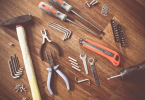
Every beginner should own a small collection of essential tools.
These include:
- Hammer
- Screwdriver set
- Adjustable wrench
- Measuring tape
- Utility knife
- Pliers
- Level
- Drill
- Flashlight
- Safety gloves
- Safety glasses
Buying quality tools once is usually cheaper than replacing poor-quality tools repeatedly.
Step 2: Learn Tool Safety
Before starting any repair:
- Read tool instructions.
- Wear protective equipment.
- Keep children away.
- Turn off electricity before electrical repairs.
- Shut off water before plumbing work.
- Work in a well-lit area.
Safety should always come first.
Step 3: Start with Easy Repairs
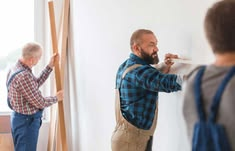
Begin with simple projects like:
- Tightening screws
- Hanging shelves
- Fixing cabinet doors
- Replacing drawer handles
- Installing curtain rods
Small successes build confidence for larger repairs.
Step 4: Inspect Before Repairing
Never rush into fixing a problem.
Instead:
- Find the exact cause.
- Check surrounding areas.
- Gather needed tools.
- Buy replacement parts if necessary.
Proper inspection prevents repeated repairs.
Step 5: Follow Instructions Carefully
Many repair mistakes happen because people skip important steps.
Take your time, measure twice, and complete each step before moving to the next one.
Step 6: Test Your Work
After completing the repair:
- Check stability.
- Ensure everything works correctly.
- Tighten loose parts.
- Clean the work area.
Testing confirms the repair was successful.
Essential Basic Repair Skills Everyone Should Learn
Wall Repairs
Small nail holes and cracks can be repaired using wall filler and a putty knife. After drying, sand the surface smoothly before painting.
Plumbing Basics
Learn how to stop water flow, replace washers, tighten fittings, and identify common leaks before they become serious.
Furniture Repairs
Loose chairs, tables, and cabinets often need only fresh screws, wood glue, or brackets to become sturdy again.
Door Repairs
Sticky doors usually need hinge adjustments, lubrication, or minor sanding.
Electrical Safety
Know how to replace light bulbs, reset circuit breakers, and safely change outlet covers. Leave complex electrical work to licensed professionals.
Benefits of Basic Repair Skills
- Save money on repair costs
- Increase confidence
- Reduce household expenses
- Extend furniture lifespan
- Prevent major damage
- Improve home safety
- Build practical knowledge
- Reduce waste
- Become more independent
- Increase property value through regular maintenance
Disadvantages and Risks
Although useful, Basic Repair Skills also have limitations.
- Incorrect repairs may cause additional damage.
- Poor tool handling can lead to injuries.
- Some repairs require professional expertise.
- Cheap materials may fail quickly.
- Electrical and gas repairs can be dangerous.
- Working without safety equipment increases risks.
Knowing your limits is an important part of responsible DIY repair.
Common Mistakes to Avoid
Many beginners make avoidable mistakes during repairs.
These include:
- Using the wrong tools
- Ignoring safety precautions
- Buying incorrect replacement parts
- Rushing the repair
- Forgetting measurements
- Over-tightening screws
- Skipping inspections
- Not testing completed repairs
- Using poor-quality materials
- Attempting repairs beyond your skill level
Avoiding these mistakes improves both safety and repair quality.
Frequently Asked Questions
1. What are Basic Repair Skills?
Basic Repair Skills are simple practical abilities used to fix common household problems using basic tools and safe repair techniques.
2. Do I need expensive tools?
No. A beginner can complete many repairs with an affordable starter toolbox containing essential hand tools.
3. Are Basic Repair Skills difficult to learn?
Not at all. Most people can learn through regular practice, patience, and simple DIY projects.
4. Which repair should beginners learn first?
Start with tightening screws, replacing handles, fixing loose hinges, and repairing small wall holes before attempting more advanced tasks.
5. Can Basic Repair Skills save money?
Yes. Completing minor repairs yourself can significantly reduce maintenance costs throughout the year.
6. When should I call a professional?
Seek professional help for structural damage, major plumbing leaks, gas systems, roofing work, and complex electrical repairs.
Expert Tips and Bonus Points
- Organize tools after every project.
- Buy quality tools instead of cheap replacements.
- Read product instructions before beginning repairs.
- Keep spare screws, nails, washers, and wall anchors.
- Practice on old furniture before repairing valuable items.
- Clean tools regularly to increase their lifespan.
- Label storage boxes for quick access.
- Measure carefully before cutting materials.
- Inspect your home every few months for small issues.
- Continue learning new Basic Repair Skills through hands-on practice.
Conclusion
Learning Basic Repair Skills is one of the smartest investments you can make for your home and your personal development. These practical abilities help you solve everyday problems quickly, reduce maintenance expenses, and improve your confidence when handling common household repairs. From fixing loose furniture and repairing walls to replacing simple hardware and maintaining plumbing fixtures, every new skill makes home ownership and daily living easier.
The key to success is starting with simple projects, using the right tools, following safety precautions, and practicing consistently. You do not need years of experience to complete many common repairs successfully. Instead, patience, careful planning, and a willingness to learn will help you build valuable experience over time.
Remember that not every repair should be done alone. Complex electrical systems, major plumbing issues, structural damage, and gas-related work should always be handled by qualified professionals. Knowing when to seek expert assistance is just as important as knowing how to perform basic repairs yourself.
By developing strong Basic Repair Skills, you become more self-reliant, protect your property from unnecessary damage, and gain practical knowledge that will continue to benefit you for years. Whether you are maintaining your first apartment or caring for a family home, these essential skills provide long-term value and lasting confidence.