
Introduction
Owning a home comes with responsibilities, and one of the most important is keeping it in good condition. Every house experiences wear and tear over time, from dripping faucets and cracked walls to squeaky doors and loose cabinet handles. Learning basic repair skills allows homeowners to solve these common problems quickly without spending unnecessary money on professional services. A well-planned House Repair Guide helps beginners understand the fundamentals of home maintenance while building confidence to complete simple repair tasks safely.
Many people believe home repairs require advanced technical knowledge, but that is not always true. With the right tools, proper preparation, and clear instructions, numerous household repairs can be completed successfully. Small maintenance jobs performed on time also prevent bigger and more expensive issues in the future. Instead of ignoring minor damage, homeowners can use practical repair methods to keep every part of their property functioning efficiently.
This comprehensive House Repair Guide explains essential repair techniques, highlights the importance of routine maintenance, provides step-by-step instructions for common household projects, discusses advantages and possible risks, answers frequently asked questions, and shares expert advice to help homeowners maintain a safe, comfortable, and valuable home for years to come.
What Is House Repair Guide?
A House Repair Guide is a practical resource designed to help homeowners understand how to inspect, maintain, and repair common household problems. It provides simple instructions that make routine maintenance easier, even for beginners with little experience.
The guide covers everyday repair tasks such as fixing leaking faucets, repairing drywall holes, tightening loose hardware, replacing damaged caulking, unclogging drains, repairing doors, and maintaining windows. It also explains how to work safely while using common hand tools.
Following a structured guide allows homeowners to complete minor repairs confidently while avoiding unnecessary expenses.
Why Is House Repair Guide Important?
A reliable House Repair Guide helps homeowners recognize problems before they become expensive emergencies.
Routine maintenance extends the life of household fixtures and prevents unnecessary damage. For example, repairing a small leak immediately can stop mold growth, protect flooring, and reduce future repair costs.
Another important benefit is increased home safety. Loose railings, damaged locks, broken electrical outlets, and cracked flooring should never be ignored because they may create serious hazards.
Regular maintenance also improves property value and helps homeowners enjoy a cleaner, safer, and more comfortable living environment.
Detailed Step-by-Step Guide
Step 1: Prepare Essential Tools
Before starting any repair project, gather the necessary tools.
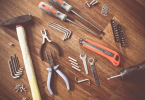
Basic tools include:
- Hammer
- Screwdriver set
- Adjustable wrench
- Measuring tape
- Utility knife
- Power drill
- Pliers
- Flashlight
- Safety gloves
- Safety glasses
Having the right equipment improves efficiency and safety.
Step 2: Inspect the Problem Carefully
Always identify the exact cause before making repairs.
Check for:
- Water leaks
- Loose screws
- Damaged paint
- Wall cracks
- Rust
- Broken seals
- Mold
- Electrical issues
A careful inspection prevents unnecessary work.
Step 3: Follow Proper Safety Procedures
Turn off electricity before repairing switches or outlets.
Shut off the water supply before repairing plumbing fixtures.
Wear gloves and protective eyewear while drilling, sanding, or cutting materials.
Never ignore safety instructions.
Step 4: Repair Common Plumbing Problems
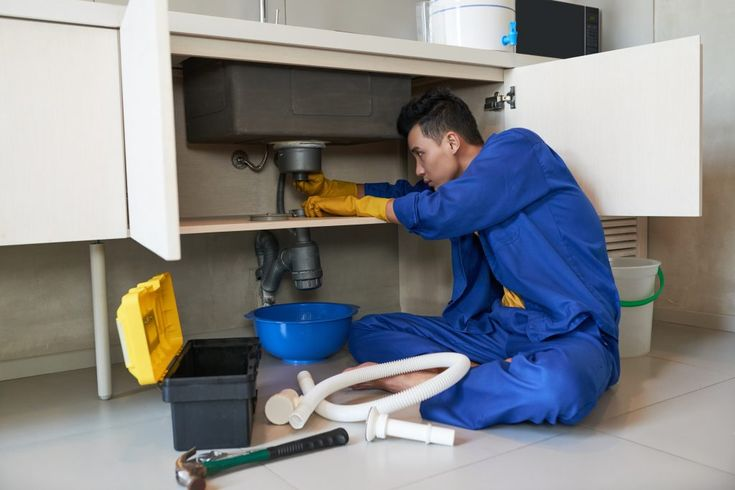
Many plumbing issues are simple to fix.
Replace worn faucet washers.
Tighten loose pipe connections.
Clean clogged drains using proper tools.
Install new showerheads when necessary.
Always test the plumbing after completing repairs.
Step 5: Repair Small Wall Damage
Fill nail holes and minor cracks using wall filler.
Allow the filler to dry completely.
Sand the repaired surface until smooth.
Prime and repaint the area for a seamless finish.
Step 6: Repair Doors and Cabinets
Inspect hinges for loose screws.
Replace damaged screws with longer ones if needed.
Lubricate hinges to eliminate squeaking.
Adjust cabinet doors to restore proper alignment.
Step 7: Replace Old Caulking
Remove damaged caulk around sinks, bathtubs, and windows.
Clean the surface thoroughly.
Apply fresh waterproof caulk evenly.
Allow adequate drying time before exposing the area to moisture.
Step 8: Perform Routine Maintenance
Inspect your home every season.
Check roofing, plumbing, gutters, doors, windows, smoke detectors, and ventilation systems.
Preventive maintenance reduces expensive repair bills.
Benefits of House Repair Guide
- Reduces repair expenses.
- Builds homeowner confidence.
- Improves household safety.
- Prevents major structural damage.
- Extends the lifespan of home fixtures.
- Increases property value.
- Encourages regular maintenance.
- Saves time during emergencies.
- Improves problem-solving skills.
- Creates a more comfortable living environment.
Disadvantages / Risks
- Incorrect repairs can increase damage.
- Some projects require professional expertise.
- Poor-quality tools may affect results.
- Electrical work involves serious risks.
- Plumbing mistakes may cause water damage.
- Lack of preparation wastes time.
- Ignoring safety equipment increases injury risks.
- Using incorrect materials reduces repair durability.
Common Mistakes to Avoid
One common mistake is beginning repairs without identifying the real problem. Proper diagnosis saves both time and money.
Many homeowners also purchase low-quality tools that wear out quickly or make repairs more difficult.
Skipping safety equipment is another serious mistake. Protective gloves and safety glasses should always be used.
Ignoring small leaks or cracks often results in larger and more expensive repairs later.
Finally, avoid attempting repairs beyond your skill level. Complex electrical, structural, or gas-related work should always be completed by qualified professionals.
FAQs
1. What is a House Repair Guide?
A House Repair Guide is a practical resource that teaches homeowners how to inspect, maintain, and repair common household problems safely and efficiently.
2. What tools should every homeowner own?
Every homeowner should have screwdrivers, pliers, a hammer, measuring tape, adjustable wrench, drill, flashlight, gloves, safety glasses, and a utility knife.
3. How often should I inspect my home?
A seasonal inspection is recommended to identify small problems before they become expensive repairs.
4. Which repairs are suitable for beginners?
Beginners can repair leaking faucets, patch drywall holes, tighten loose hinges, replace caulking, unclog drains, and repaint damaged walls.
5. When should I hire a professional?
Professional assistance is necessary for structural repairs, major plumbing work, electrical wiring, roofing, and gas-related problems.
6. Why is preventive maintenance important?
Preventive maintenance helps reduce repair costs, increases home safety, protects property value, and extends the lifespan of household systems.
Expert Tips & Bonus Points
Always inspect your home after heavy storms or extreme weather.
Invest in high-quality tools because they last longer and provide better performance.
Keep extra screws, washers, nails, batteries, and wall anchors available for quick repairs.
Label electrical breakers and water shut-off valves for emergencies.
Take photographs before disassembling complicated fixtures.
Store tools in a dry location to prevent rust.
Create a maintenance checklist and inspect important areas every few months.
Never rush a repair project, as patience usually produces better and safer results.
Conclusion
Every homeowner benefits from learning the basics of property maintenance, and a dependable House Repair Guide provides the knowledge needed to complete everyday repairs safely and efficiently. Simple tasks such as repairing faucets, fixing wall damage, tightening loose hardware, replacing old caulking, and performing regular inspections can prevent expensive repairs while improving the comfort and safety of your home. These practical skills also reduce maintenance costs and increase confidence when handling common household problems.
Consistent maintenance is the key to protecting your investment. By identifying issues early, using quality tools, following safety procedures, and completing repairs correctly, homeowners can extend the lifespan of important household systems while preserving property value. Although many small projects are suitable for beginners, recognizing when professional help is necessary remains essential for preventing accidents and costly mistakes. Following this House Repair Guide regularly will help you maintain a clean, safe, and well-functioning home for many years while making homeownership less stressful and more rewarding.