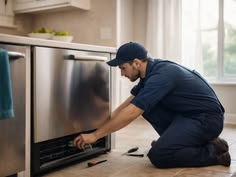

Introduction
Every homeowner faces small maintenance issues sooner or later. A leaking faucet, squeaky door, loose cabinet handle, or cracked wall may seem minor, but ignoring these problems often leads to bigger and more expensive repairs. Learning DIY Home Repairs allows you to solve everyday household problems without immediately calling a professional.
Whether you own a house or rent an apartment, basic repair skills can save money, increase confidence, and help keep your home in excellent condition. Many common repairs require only simple tools, a little patience, and step-by-step guidance. Even beginners can complete many household projects safely with proper preparation.
DIY Home Repairs have become increasingly popular because they are practical, cost-effective, and rewarding. Instead of waiting days for professional assistance, you can fix many problems yourself in just a few hours. The key is understanding which repairs are suitable for beginners and knowing when professional help is necessary.
This guide explains everything you need to know about DIY Home Repairs, from essential tools and safety precautions to simple repair projects, common mistakes, benefits, risks, and expert advice. By the end, you will feel more confident handling basic household maintenance while protecting your home’s value and appearance.
What is DIY Home Repairs?
DIY Home Repairs refers to fixing, maintaining, or improving different parts of your home without hiring professional contractors. DIY stands for “Do It Yourself,” meaning homeowners complete projects using their own skills, tools, and available resources.
These repairs range from simple tasks like tightening loose screws and replacing door handles to slightly more advanced jobs such as repairing drywall, fixing leaking faucets, unclogging drains, or repainting walls.
Common DIY Home Repairs include:
- Fixing leaking faucets
- Repairing drywall cracks
- Replacing cabinet handles
- Installing shelves
- Unclogging drains
- Repairing squeaky doors
- Touch-up painting
- Replacing weather stripping
- Tightening loose furniture
- Basic electrical fixture replacement after switching off power
The goal is to maintain your home efficiently while reducing repair costs.
Why is DIY Home Repairs Important?
DIY Home Repairs provide practical benefits beyond saving money. Regular maintenance prevents small issues from becoming major structural problems.
Homeowners who perform basic repairs often enjoy:
- Lower maintenance expenses
- Faster solutions for everyday issues
- Increased confidence with home maintenance
- Better understanding of household systems
- Improved property appearance
- Longer lifespan of household fixtures
- Reduced emergency repair situations
- Greater sense of accomplishment
Developing these skills also helps you make informed decisions when professional repairs are actually required.
Detailed Step-by-Step Guide
Step 1: Gather Essential Tools
Start with a basic toolkit containing:
- Hammer
- Screwdrivers
- Adjustable wrench
- Pliers
- Tape measure
- Utility knife
- Level
- Drill
- Flashlight
- Safety gloves
- Safety glasses
Quality tools make repairs easier and safer.
Step 2: Inspect the Problem Carefully
Before making repairs, identify the exact cause of the issue.
For example:
- Is the faucet leaking because of a worn washer?
- Is the wall crack cosmetic or structural?
- Is the cabinet loose because screws have weakened?
Never begin repairs without understanding the problem.
Step 3: Prepare the Work Area
Clear furniture and valuable items from the repair location.
Protect floors with drop cloths if painting or drilling. Keep children and pets away from the workspace to prevent accidents.
Step 4: Turn Off Utilities When Necessary
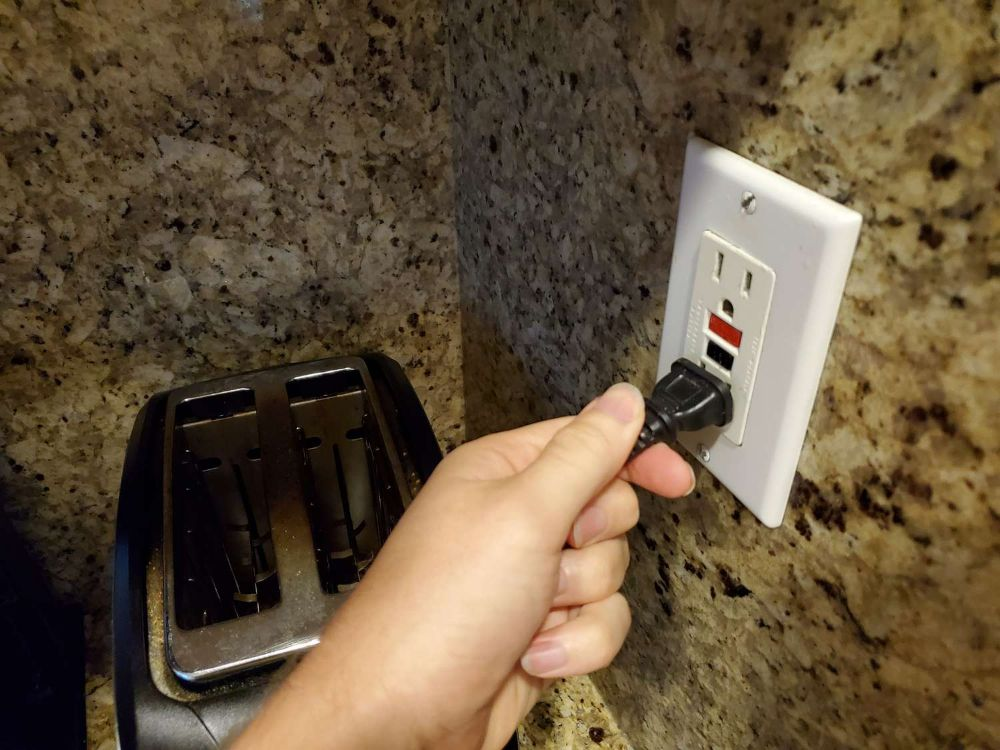
Safety always comes first.
Before repairing plumbing:
- Shut off the water supply.
Before working with electrical fixtures:
- Turn off the circuit breaker.
Never ignore safety precautions.
Step 5: Follow Repair Instructions
Complete repairs one step at a time.
For example, repairing a leaking faucet may involve:
- Shut off the water.
- Remove the handle.
- Replace the damaged washer or cartridge.
- Reassemble the faucet.
- Test for leaks.
Following each step carefully reduces mistakes.
Step 6: Test Your Repair
After completing the repair:
- Check for leaks.
- Ensure doors open smoothly.
- Verify shelves remain level.
- Test switches safely.
- Confirm everything functions correctly.
Never assume a repair is complete without testing.
Step 7: Clean the Area
Dispose of damaged materials properly.
Store tools in their designated locations so they remain ready for future DIY Home Repairs.
Benefits of DIY Home Repairs
- Saves money on labor costs.
- Improves practical household skills.
- Builds confidence with maintenance tasks.
- Prevents small issues from becoming expensive repairs.
- Increases property value through regular maintenance.
- Provides immediate solutions for common problems.
- Encourages responsible home ownership.
- Creates a sense of achievement after completing projects.
Disadvantages / Risks
- Incorrect repairs may cause additional damage.
- Some projects require professional expertise.
- Improper tool use can cause injuries.
- Hidden problems may remain unnoticed.
- Cheap materials may reduce repair quality.
- Electrical and plumbing work can become dangerous without proper precautions.
Knowing your limits is an important part of successful DIY Home Repairs.
Common Mistakes to Avoid
Many beginners make avoidable mistakes that increase repair costs.
Avoid these common errors:
- Starting repairs without proper planning.
- Buying incorrect replacement parts.
- Ignoring manufacturer instructions.
- Using damaged or poor-quality tools.
- Forgetting protective equipment.
- Skipping measurements before drilling.
- Overtightening screws.
- Painting without cleaning surfaces first.
- Rushing through repairs.
- Attempting complicated structural work without experience.
Taking your time produces better and safer results.
FAQs
1. What are the easiest DIY Home Repairs for beginners?
Simple projects include fixing cabinet handles, repairing squeaky doors, replacing light bulbs, patching small wall holes, unclogging drains, and tightening loose screws.
2. What tools should every homeowner own?
A hammer, screwdrivers, pliers, wrench, drill, tape measure, utility knife, level, flashlight, gloves, and safety glasses are excellent starting tools.
3. When should I call a professional?
Seek professional help for major electrical work, gas lines, structural damage, roofing issues, foundation problems, and extensive plumbing repairs.
4. Can DIY Home Repairs really save money?
Yes. Completing basic repairs yourself eliminates labor charges and helps prevent expensive future damage caused by neglected maintenance.
5. Are DIY Home Repairs safe?
They are safe when proper safety procedures are followed, appropriate tools are used, and repairs remain within your skill level.
6. How can I improve my repair skills?
Practice simple maintenance projects, read instruction manuals carefully, organize your tools, learn proper safety techniques, and gradually tackle more advanced repairs as your confidence grows.
Expert Tips & Bonus Points
Always purchase quality tools because they last longer and improve repair accuracy.
Label your toolbox so every tool has a designated place after use.
Keep extra screws, nails, wall anchors, and replacement washers available for quick repairs.
Take photographs before disassembling fixtures so reassembly becomes easier.
Inspect your home every few months to identify small issues before they become expensive repairs.
Create a maintenance checklist for plumbing, doors, windows, walls, and outdoor areas.
Wear appropriate protective equipment regardless of how small the repair appears.
Learn one new repair skill every month to steadily build experience and confidence.
Conclusion
DIY Home Repairs are valuable skills that help homeowners maintain their property while reducing maintenance costs. By learning basic repair techniques, using the right tools, and following proper safety procedures, even beginners can successfully complete many everyday household projects. Small repairs performed at the right time prevent larger problems, improve home appearance, and increase the lifespan of fixtures and materials.
Success with DIY Home Repairs comes from patience, preparation, and continuous learning. Start with simple projects, carefully follow instructions, and never hesitate to seek professional assistance for complex or potentially dangerous work. Every completed repair builds experience and confidence, making future projects easier to handle. With regular maintenance and responsible repair practices, your home will remain safer, more comfortable, and better protected for years to come while saving both time and money.