
Introduction
Every homeowner eventually encounters small problems that require attention. A dripping faucet, a loose cabinet handle, a cracked wall, or a clogged drain may seem minor at first, but ignoring them often leads to larger and more expensive issues. Learning Common Home Repairs can save money, improve home safety, and help maintain your property’s value. Even if you have never used a toolbox before, many basic repairs are easier than they appear with the right guidance.
Understanding essential repair techniques also gives homeowners greater confidence. Instead of calling a professional for every minor issue, you can solve many everyday problems using simple tools and basic knowledge. This not only reduces repair costs but also allows you to respond quickly before damage becomes worse.
Whether you live in a house, apartment, or rental property where small maintenance tasks are your responsibility, knowing how to handle Common Home Repairs is a valuable life skill. Beginners can start with simple projects and gradually build experience over time.
This guide explains the most important repairs every homeowner should know. It also covers the benefits, potential risks, common mistakes, and practical advice to help you complete repairs safely and effectively. By following these steps, you can keep your home in excellent condition while avoiding unnecessary expenses and unexpected maintenance emergencies.
What is Common Home Repairs?
Common Home Repairs refers to the routine maintenance and small repair tasks needed to keep a home safe, functional, and attractive. These repairs usually involve fixing everyday problems before they become serious.
Examples include:
- Repairing leaking faucets
- Unclogging drains
- Patching small holes in drywall
- Tightening loose door hinges
- Replacing damaged light switches
- Fixing squeaky doors
- Sealing window gaps
- Repairing cracked caulk around sinks and bathtubs
These projects typically require basic tools and can often be completed without advanced technical knowledge.
Why is Common Home Repairs Important?
Learning Common Home Repairs provides several long-term advantages for homeowners.
First, it reduces maintenance expenses. Small repairs completed early often prevent expensive structural damage later.
Second, regular maintenance increases home safety. Loose railings, damaged electrical outlets, or leaking pipes can become hazardous if ignored.
Third, maintaining your property helps preserve its appearance and market value. Buyers appreciate homes that have been properly maintained.
Finally, repairing problems promptly improves daily comfort by keeping plumbing, doors, windows, lighting, and household fixtures working efficiently.
Detailed Step-by-Step Guide
Step 1: Gather Essential Tools
Before starting any repair, prepare a basic toolkit.
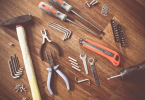
A beginner’s toolkit should include:
- Hammer
- Screwdriver set
- Adjustable wrench
- Tape measure
- Utility knife
- Pliers
- Flashlight
- Level
- Drill
- Safety gloves
- Safety glasses
Having the right equipment makes repairs easier and safer.
Step 2: Identify the Problem Carefully
Avoid rushing into repairs.
Inspect the damaged area carefully to determine the actual cause. For example, a stain on the ceiling may result from a leaking pipe rather than roof damage. Correct diagnosis prevents unnecessary work and saves both time and money.
Step 3: Turn Off Utilities When Necessary
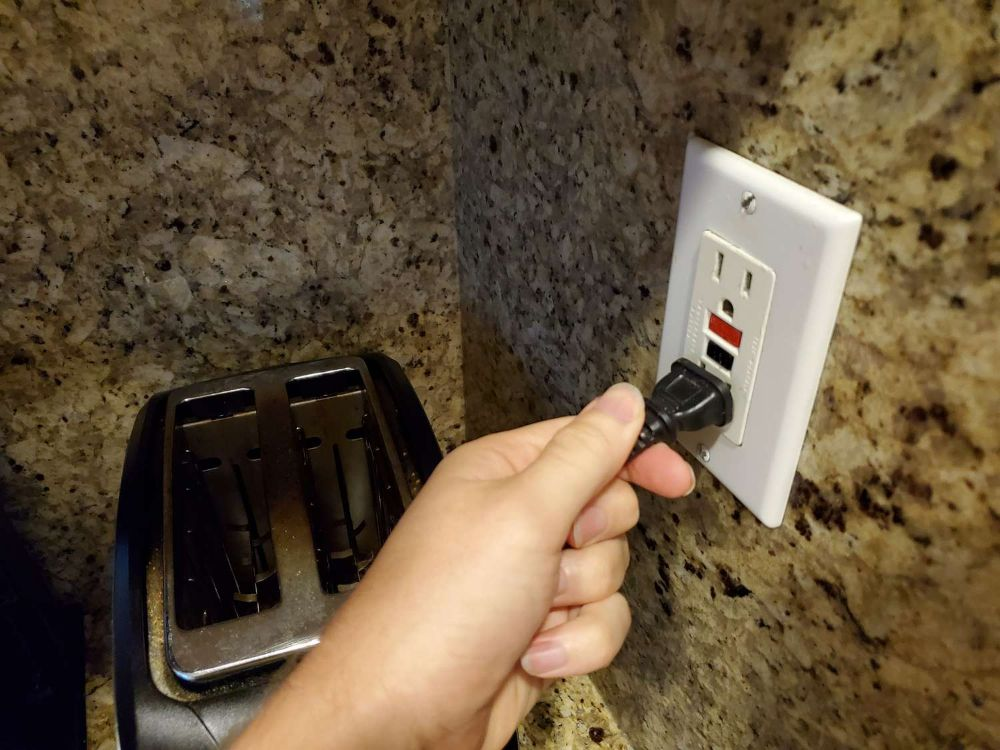
Safety should always come first.
Before repairing electrical fixtures, switch off the power at the circuit breaker.
Before fixing plumbing problems, close the appropriate water supply valve.
Taking these precautions greatly reduces the risk of accidents.
Step 4: Repair a Leaking Faucet
A dripping faucet is one of the most frequent household problems.
To repair it:
- Turn off the water supply.
- Remove the faucet handle.
- Inspect washers or cartridges.
- Replace worn components.
- Reassemble the faucet.
- Turn the water back on.
- Check for leaks.
Replacing inexpensive internal parts often solves the problem within minutes.
Step 5: Unclog a Drain
Slow drains usually develop because of hair, grease, soap residue, or food particles.
Begin with a plunger. If that does not work, use a drain snake to remove the blockage. Avoid relying heavily on harsh chemical cleaners because they may damage older pipes over time.
Step 6: Patch Small Drywall Holes
Minor wall damage can easily be repaired.
Clean the damaged area before applying wall filler with a putty knife. Allow it to dry completely, sand the surface smooth, and repaint to match the surrounding wall.
Benefits of Common Home Repairs
Learning and performing Common Home Repairs offers many practical advantages for homeowners. Some of the most important benefits include:
- Saves money by reducing the need for professional services.
- Prevents minor issues from becoming expensive repairs.
- Improves home safety for family members.
- Extends the lifespan of household fixtures and appliances.
- Increases property value and curb appeal.
- Builds confidence and practical maintenance skills.
- Helps identify hidden problems before they worsen.
- Keeps the home clean, functional, and comfortable.
Disadvantages / Risks
Although many repairs are simple, some situations require caution. Consider these possible risks:
- Incorrect repairs can create larger problems.
- Electrical work may cause injury if proper safety measures are ignored.
- Plumbing mistakes can result in water damage.
- Using the wrong tools may damage fixtures or surfaces.
- Poor-quality materials may reduce the durability of repairs.
- Certain projects require professional knowledge and permits.
Knowing your limits is just as important as developing repair skills.
Common Mistakes to Avoid
Many beginners make avoidable errors when completing household repairs. Avoid these common mistakes to achieve better results.
Ignoring the root cause is one of the biggest problems. Fixing visible damage without addressing the actual source often leads to repeated repairs.
Using incorrect tools can damage screws, pipes, or other fixtures. Always choose the right tool for the specific job.
Skipping safety precautions is another frequent mistake. Wear protective equipment and disconnect electricity or water whenever necessary.
Buying the cheapest materials may seem economical, but poor-quality replacement parts often fail quickly. Investing in reliable materials usually saves money over time.
Rushing through repairs without carefully reading instructions can also create unnecessary complications. Work patiently and inspect your results before considering the project complete.
Finally, avoid attempting advanced structural, roofing, gas, or major electrical work without proper experience. Calling a qualified professional is sometimes the safest and most cost-effective decision.
FAQs
1. What are the easiest home repairs for beginners?
Simple projects include replacing light bulbs, tightening loose screws, repairing dripping faucets, unclogging drains, patching small drywall holes, and replacing cabinet handles. These tasks require only basic tools and minimal experience.
2. How often should I inspect my home for maintenance issues?
A complete inspection every three to six months helps identify leaks, cracks, damaged seals, loose fixtures, and other maintenance concerns before they become expensive problems.
3. Which tools should every homeowner own?
Every homeowner should have a hammer, screwdrivers, adjustable wrench, pliers, tape measure, utility knife, drill, level, flashlight, safety gloves, and safety glasses for completing basic household repairs.
4. When should I hire a professional?
You should contact a professional for major electrical work, gas line repairs, structural damage, roofing problems, foundation issues, or plumbing repairs that require specialized equipment or permits.
5. Can regular maintenance increase home value?
Yes. Homes that receive consistent maintenance generally retain higher property values because buyers appreciate well-maintained systems, attractive interiors, and fewer visible repair issues.
6. How can I prevent common household repairs?
Perform regular inspections, clean gutters, replace worn caulk, fix small leaks immediately, maintain appliances according to manufacturer recommendations, and address minor damage before it becomes serious.
Expert Tips & Bonus Points
Create a seasonal maintenance checklist to stay organized throughout the year. Inspect plumbing, electrical fixtures, windows, doors, roofing, and exterior walls regularly.
Label your main water shutoff valve and electrical breaker panel clearly so emergencies can be handled quickly.
Store frequently used tools together in a dedicated toolbox to save time during repairs.
Take photos before disassembling fixtures. They provide a useful reference when reassembling parts correctly.
Keep extra screws, washers, wall anchors, and replacement bulbs available for quick repairs without unnecessary shopping trips.
Watch for unusual sounds, water stains, or small cracks. Early detection often prevents expensive future damage.
Practice one new repair skill at a time instead of attempting multiple unfamiliar projects simultaneously. Steady learning builds confidence and improves long-term maintenance abilities.
Conclusion
Maintaining a home does not always require advanced technical knowledge or expensive professional services. By learning Common Home Repairs, homeowners can solve many everyday problems safely and efficiently while protecting their investment. Simple tasks such as repairing a leaking faucet, unclogging drains, tightening loose hardware, and patching damaged walls help prevent larger maintenance issues and reduce long-term repair costs.
Regular inspections, quality tools, proper safety precautions, and a willingness to learn are the foundation of successful home maintenance. As your experience grows, you will become more confident in handling routine repairs while recognizing situations that require professional assistance.
The key is to address problems early rather than waiting until they become serious. Small repairs completed today often prevent major expenses tomorrow. Consistent maintenance also improves comfort, enhances your home’s appearance, and preserves its overall value for years to come.
Whether you are a first-time homeowner or simply looking to expand your practical skills, mastering Common Home Repairs is a worthwhile investment. With patience, preparation, and regular practice, you can keep your home safe, efficient, and well-maintained while enjoying the satisfaction that comes from completing repairs yourself.